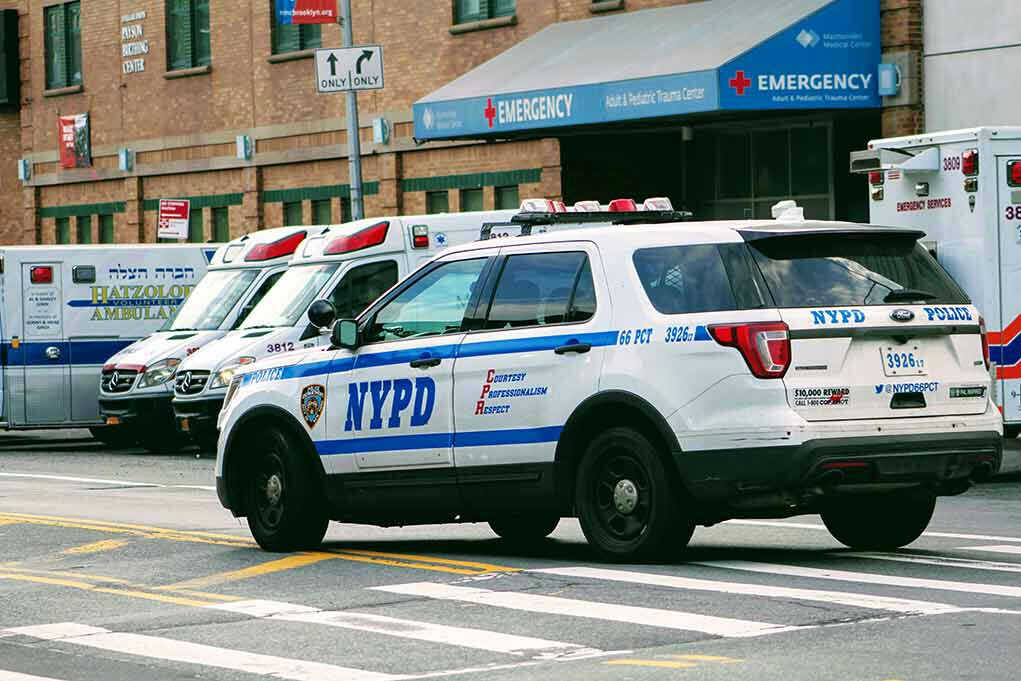
A 66-year-old Brooklyn rabbi was beaten on his block in a 20-second attack that police say followed another unprovoked assault minutes earlier.
Story Highlights
- Police arrested Eric Avrutov, 31, after two back-to-back assaults in Brooklyn.
- Video shows the rabbi struck multiple times; he was hospitalized in stable condition.
- Police said the case was not treated as a hate crime at the time of reporting.
- Reports note five prior arrests for the suspect, including a similar incident two days earlier.
Police Say Two Unprovoked Assaults Happened Minutes Apart
New York Police Department officers arrested Eric Avrutov, 31, after two assaults in Kensington and Borough Park on Wednesday night, according to published reports citing police. Around 9:20 p.m., on Dahill Road near Cortelyou Road, Avrutov allegedly cornered and struck a 66-year-old rabbi in a brief, recorded attack. About five minutes earlier, police say he punched a 60-year-old man at a nearby gas station while the man pumped gas. Officers charged Avrutov with assault, criminal obstruction of breathing, and harassment.
Boro Park Shomrim video shared with reporters shows the rabbi being hit several times before the attacker ran off. The clip lasts about 20 seconds, matching police descriptions given to local outlets. The victim was taken to Maimonides Medical Center and listed in stable condition that night. Police treated the gas station incident as a separate assault and harassment case tied to the same suspect, based on time and proximity reported by outlets that quoted officers at the scene.
Hate-Crime Status And What That Means Under New York Law
Police told reporters the rabbi assault was not being investigated as a hate crime at that time. Under New York guidance, a hate-crime charge requires evidence that a suspect picked a victim in whole or in part due to the victim’s religion, race, or another protected trait. That proof can include words, actions, or patterns linked to bias. Without that evidence, prosecutors typically proceed on standard assault charges while they keep reviewing the facts.
Brooklyn has seen a high share of antisemitic assaults in recent years. The Anti-Defamation League reported that Brooklyn accounted for 50 antisemitic assaults in 2025, a 56 percent jump from 2024. Many of those targeted were Orthodox Jews. Even as some incident types fell citywide, assaults in New York rose, which has kept pressure on police and community patrols to respond fast when violence hits streets and houses of worship in borough hot spots.
Suspect Background And Community Safety Concerns
Published reports identified Avrutov and said he had five prior arrests, including a similar incident two days earlier. Those reports did not list docket numbers or case outcomes. Police linked Wednesday’s two victims by timing and location. The rabbi’s quick transport to Maimonides and the stable condition report suggest first responders moved fast. That response matters in neighborhoods where older residents and families walk to prayer services after dark.
Eric Avrutov, 31, allegedly cornered the 66-year-old religious leader without warning and dealt multiple blows on Dahill Road near Cortelyou Road in Kensington around 9:20 p.m.
He was charged with assault, criminal obstruction of breathing and harassment.
The act is not being… https://t.co/nlkJNvZ8zu
— Crime In NYC (@Crime_In_NYC) September 25, 2026
Conservatives see a clear duty here: protect vulnerable neighbors, back law enforcement, and demand repeat offenders face real consequences. New York law gives prosecutors tools to enhance charges when bias is proven, and to seek strong penalties for violent assaults either way. Leaders should press for swift arraignments, mental health evaluations when needed, and bail and sentencing that put public safety first. Communities deserve streets where elders can walk without fear, and worship without looking over their shoulder.
What To Watch Next In The Case
Police and prosecutors will review video, witness statements, and any body-camera footage to firm up the timeline and motive. If evidence shows bias intent, charges could change. If not, assault and related counts will likely lead the case forward. Residents should keep sharing tips with detectives and community patrols to help close the gaps between incidents and arrests. That teamwork, plus steady court action, is how neighborhoods push back against street violence.
Sources:
nypost.com, nydailynews.com, us.headtopics.com, israelnationalnews.com