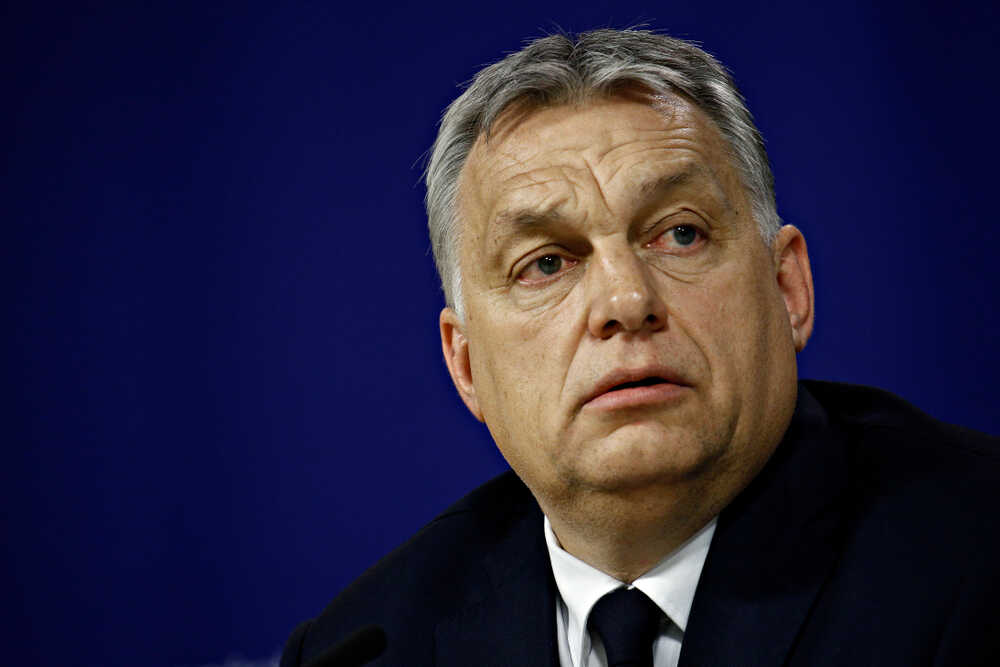
A leaked intelligence document describing a staged “assassination attempt” to sway Hungary’s election is a reminder that foreign powers don’t just spread propaganda—they try to manufacture panic.
Quick Take
- Reports say Russia’s SVR proposed staging a fake assassination attempt on Hungarian Prime Minister Viktor Orbán as an “election gamechanger.”
- The alleged plan aimed to shift voters from economic frustration and corruption concerns to fear, security, and “stability.”
- A European intelligence service reportedly obtained and authenticated the internal SVR document cited by The Washington Post.
- No attack occurred, while both Moscow and Budapest rejected the report as disinformation or propaganda.
What the reported SVR plan was designed to accomplish
Reporting published March 21, 2026, said an SVR active-measures unit proposed staging a fake assassination attempt targeting Hungary’s Viktor Orbán to influence the April 12 parliamentary election. The internal document reportedly labeled the scenario “the Gamechanger” and argued it would redirect public attention away from socioeconomic problems and toward emotional themes like state security and political stability. Multiple outlets repeating the claim also emphasize the key fact: the attack was proposed, not carried out.
The document’s political logic is familiar in modern information warfare: replace measurable grievances—prices, jobs, corruption claims—with an atmosphere of crisis where leaders ask for loyalty “for the sake of safety.” If accurate, the plan shows how easily elections can be manipulated when fear is weaponized, and it underlines why voters should demand evidence and transparency from officials instead of accepting security narratives that conveniently appear during tight campaigns.
Why Hungary’s April vote matters beyond Budapest
Hungary is a NATO and EU member, and Orbán has also been one of Moscow’s most useful political relationships inside those institutions. Reports describing the alleged SVR proposal connect it to Russia’s broader interest in keeping a friendly government in place that can slow-walk EU policy, complicate consensus, or dilute unity on sanctions and security decisions. The same reporting points to Hungary’s long-running energy and political ties with Russia as part of the backdrop.
The election is also occurring amid strain between Hungary and Brussels. Outlets summarizing the Washington Post reporting describe EU funds being withheld over rule-of-law disputes, contributing to domestic economic pressure. That combination—budget stress at home and political conflict with EU leadership—creates fertile ground for messaging about “sovereignty,” “foreign meddling,” and “national survival.” Those themes can be legitimate topics in any democracy, but they can also be exploited when outside actors try to steer voters.
How influence operations can escalate from messaging to “events”
Several reports depict an ecosystem beyond one dramatic proposal: social media narratives praising Orbán as a defender of sovereignty, smears framing the opposition as a “Brussels” project, and claims of AI-driven or forged material targeting Orbán’s challengers. Other referenced reporting describes hacks and espionage-linked activity affecting Hungary’s state institutions. Taken together, the picture is of a hybrid campaign where propaganda, cyber pressure, and political theater can blend—and where truth becomes harder to separate from designed confusion.
From a rule-of-law standpoint, a staged attack concept is especially corrosive because it attempts to hijack public consent using an engineered trauma. Democratic legitimacy relies on citizens weighing real conditions and real policy options, not voting under a false flag of manufactured emergency. Even if a plan stays on paper, the mere discussion signals intent: to treat public opinion as something to be “managed” through shock rather than earned through performance and honest debate.
Denials, verification, and what remains unclear
Hungarian officials and the Kremlin rejected the reporting. Russian spokesman Dmitry Peskov described it as disinformation, and Hungary’s government framed it as propaganda. At the same time, the reporting’s credibility rests heavily on the claim that a European intelligence service obtained and authenticated the SVR document cited by The Washington Post. The public still lacks full visibility into the document’s chain of custody, how far the proposal progressed, and who approved—or rejected—any next steps.
That uncertainty matters for responsible readers: a verified document is not the same thing as a completed operation. But even with denials, the episode highlights a broader lesson for Americans watching Europe’s turbulence in 2026. Elections are targets, and foreign intelligence services look for pressure points—economic pain, social division, and distrust in institutions. The best defense is transparency, resilient law enforcement, and voters who refuse to be stampeded by narratives that demand emotional submission over hard accountability.
Sources:
Russian intelligence plotted fake attack on Orban to sway election campaign
Russian intelligence planned to stage assassination attempt on Orban – WP
Russia planned spoof hit on Orbán as election “gamechanger”
Hungarian government denies WP article on Russia’s plans to stage assassination attempt on Orban