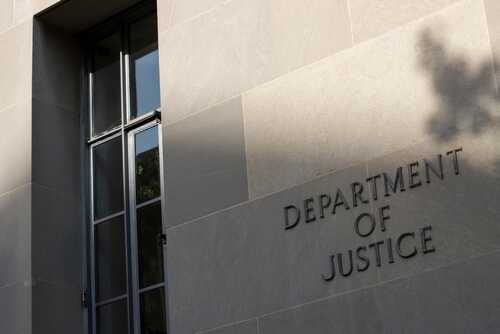
The Department of Justice’s latest action raises questions about government overreach and respect for judicial authority.
Story Highlights
- The DOJ deploys National Guard in Portland despite court order.
- Concerns arise over federal overreach and constitutional rights.
- Deployment sparks debate on executive power limits.
- Public reactions reflect broader frustrations with government actions.
DOJ’s Controversial Move in Portland
The Department of Justice admitted that members of the National Guard were briefly deployed in Portland, Oregon, earlier this month, despite a judicial order prohibiting such action. The deployment has sparked controversy, as it raises concerns about the overreach of federal powers and the respect for judicial decisions. The DOJ’s decision has drawn criticism from those who view it as an unnecessary escalation in a city that has faced frequent protests and unrest.
This controversial action has led to public debates on the balance between maintaining order and respecting constitutional rights. Critics argue that the deployment infringes upon the rights of Portland residents and sets a dangerous precedent for federal intervention in local matters. The situation underscores the ongoing tensions between state and federal authorities, especially concerning law enforcement strategies and the role of the National Guard.
Watch: Trial over National Guard in Portland begins, reveals troops briefly deployed despite court order
Implications for Constitutional Rights
The deployment of the National Guard in defiance of a court order raises significant questions about the respect for constitutional rights and the limits of executive power. Many Americans are wary of any actions that might erode their constitutional protections, particularly regarding the separation of powers and checks and balances. This incident highlights the importance of upholding judicial authority and ensuring that government actions do not infringe upon individual liberties.
The situation in Portland serves as a reminder of the delicate balance required to maintain public safety while respecting the legal framework that protects citizens’ rights. The DOJ’s decision has intensified discussions about federalism and the appropriate use of federal forces in domestic situations. As the conversation continues, it is crucial to consider the long-term implications of such actions on American democracy and the principles it stands upon.
Public Reaction and Broader Frustrations
Public reaction to the DOJ’s actions in Portland has been mixed, reflecting broader frustrations with government overreach and perceived disregard for constitutional protections. This incident has galvanized those who advocate for limited government and the protection of personal freedoms.
As the nation watches this situation unfold, it is essential to recognize the concerns of citizens who feel that their rights are being threatened. The ongoing debate about the appropriate use of federal power is a critical conversation that touches on the very foundations of American governance. Upholding the Constitution and ensuring that government actions align with its principles remain paramount priorities for conservatives and all who value liberty and justice.
Sources: