A shocking pepper-spray robbery at Heathrow’s Terminal 3 car park has exposed just how vulnerable ordinary travelers remain when soft-on-crime policies collide with crowded public spaces.
Story Snapshot
- Twenty-one people, including a three-year-old girl, were injured after a pepper-spray-style attack during a suitcase robbery at Heathrow’s Terminal 3 car park.
- Armed police flooded the scene, one suspect was arrested, and a manhunt continues for additional attackers who escaped.
- The incident shut roads, halted buses and trains, and raised hard questions about landside airport security in the UK.
- The attack highlights how ordinary crime using chemical irritants can mimic terror-style disruption at a major Western transport hub.
Pepper-spray robbery turns Heathrow car park into a chemical incident zone
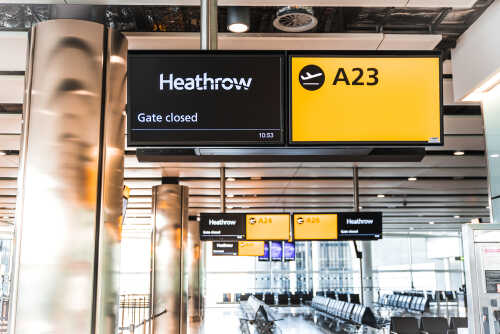
On a Sunday morning around 8:11 a.m., Britain’s busiest airport saw its landside security tested when four men allegedly robbed a woman of her suitcase inside a Terminal 3 car park lift and deployed a pepper-spray-style substance. That spray did not stay confined to their target. In the enclosed lift and car park area, the irritant spread quickly, leaving twenty-one people injured, among them a three-year-old girl, as burning throats and stinging eyes rippled through unsuspecting travelers.
London Ambulance Service teams treated sixteen victims at the scene and transported five to hospital, while authorities later said none of the injuries appeared life-threatening or life-changing. Even so, families trying simply to reach flights instead found themselves coughing, panicked, and evacuated as armed officers in body armor took over a multi-storey car park that sits directly opposite Terminal 3 check-in. For many passengers, this incident turned a routine trip into an involuntary lesson in how fast civil order can fray.
Watch:
Armed response, partial arrest, and an ongoing manhunt for suspects
Metropolitan Police dispatchers sent armed units to the multi-storey facility after reports that multiple people had been sprayed with a chemical substance during what officers quickly framed as a robbery. Witnesses described young men dressed in black, heads covered, sprinting from the lift moments before the air began to burn in their throats. By the time the area was locked down, one thirty-one-year-old man was in custody on suspicion of assault, but the rest of the group had slipped away into greater London.
Police commanders stressed that the working assessment does not link the incident to terrorism or organized protest, even though the scale of the response—heavily armed officers, emergency vehicles, and full road closures—looked indistinguishable from an attack to many on the ground. Detectives are now combing CCTV footage, interviewing witnesses, and appealing for information as they pursue additional suspects believed to have fled by vehicle. For travelers and workers who inhaled the spray, the distinction between “terror” and “ordinary crime” feels largely academic.
Travel chaos and deeper questions about soft targets in Western airports
The pepper-spray release had consequences far beyond the immediate victims. National Highways shut the M4 Spur Road and key access routes to Heathrow’s central area, while train and bus services into the airport were suspended. Passengers were left stranded at bus stops and on approach roads, watching departure times slip away as the transport network absorbed yet another self-inflicted shutdown triggered not by a bomb, but by a handful of criminals with an irritant spray and easy access to a crowded car park.
Heathrow’s landside spaces—car parks, drop-off zones, and terminal forecourts—have quietly become soft targets: densely packed with families and luggage but subject to less intense screening than airside gates. This robbery-turned-mass-exposure shows how quickly everyday crime can escalate into a mass-casualty style disruption, effectively achieving the same chaos that formal terrorists seek.
Pattern of chemical irritant incidents and the stakes for personal security
This is not the first time Heathrow has grappled with chemical irritants in crowded public areas. A recent CS gas discharge in Terminal 4 forced evacuations, delays, and cancellations, proving that small canisters can shut down huge pieces of critical infrastructure. Combined with the Terminal 3 event, a pattern is emerging: bad actors are willing to weaponize defensive sprays in confined airport spaces, knowing that a few seconds of discharge can trigger mass medical callouts, road closures, and reputational damage for operators and authorities alike.
For law-abiding travelers, especially older passengers and families, the message is sobering. Even as President Trump’s administration in Washington pushes hard on border control, critical infrastructure protection, and tougher stances on crime and terrorism, allies abroad still struggle with soft targets and reactive security models.
Sources:
Heathrow – Security analysis and historical risk context
Five times airports were involved in cyberattacks and data breaches
European airports and critical infrastructure cyber incidents
Heathrow, Brussels, Berlin airport cyber attack delays