

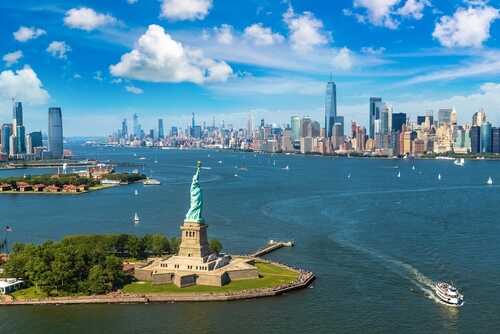
A new wave of whale sightings in New York Harbor has raised both excitement and safety concerns among ferry operators and conservationists.
Story Highlights
- Increased whale sightings in New York Harbor spark wonder and concern.
- Improved water quality attributed to the return of marine life.
- Ferry and shipping industries face new safety protocols as whale activity rises.
- Local educators leverage sightings for marine science education.
Whale Sightings on the Rise in New York Harbor
Reports of whale sightings in New York Harbor have become increasingly common, astounding both locals and tourists. Nicole Shaw, a seasoned deckhand on the Staten Island ferry, was among those recently witnessing these majestic creatures breaching in urban waters. The occurrence, part of a broader pattern observed since May 2025, draws attention to the improving environmental conditions that have facilitated this resurgence. However, it also raises concerns about the safety of both marine life and maritime activities.
Historically, whales were a frequent sight in these waters until industrial activities and pollution drove them away. Now, thanks to concerted conservation efforts and cleaner waters, the whales are returning. This resurgence is largely attributed to the increase in prey like menhaden fish, essential for whale diets. These developments have turned New York Harbor into a hub for eco-tourism and marine science education, with schools and organizations regularly organizing whale-watching trips.
Challenges for Maritime Activities
This unexpected return of whales poses new challenges for the busy waterways of New York Harbor, one of the world’s most trafficked ports. The increased whale activity heightens the risk of vessel strikes, as evidenced by a recent incident where a whale was fatally struck by a boat off the New Jersey coast. Such events underscore the need for revised maritime protocols to ensure the safety of both the whales and human activities. Conservationists and ferry operators are calling for heightened awareness and protective measures to prevent future accidents.
Despite the risks, the whale sightings have spurred a wave of interest and educational opportunities. Marine educators are using these encounters to teach students about marine ecosystems and conservation efforts. The sightings are also boosting local tourism, drawing visitors eager to witness the spectacle. However, the situation also prompts a delicate balance between celebrating this ecological recovery and addressing the operational challenges it presents.
Rare bottlenose dolphin sightings in NYC thrill lucky viewers— as experts explain why they’re suddenly occurring https://t.co/mOb8QrPN2J pic.twitter.com/OhhawkhANa
— New York Post (@nypost) August 15, 2025
Long-term Implications and Industry Impact
In the short term, whale sightings are invigorating local economies and providing rich educational experiences. However, they also pose potential disruptions to shipping and ferry operations, necessitating possible route adjustments and speed regulations. In the long run, sustained whale population recovery could lead to lasting changes in maritime safety protocols and regulatory practices. As stakeholders from various sectors collaborate to address these challenges, the emphasis remains on ensuring that the waters are safe for all inhabitants, both human and marine.
Ultimately, the phenomenon highlights the dual narrative of ecological success and emerging risks, encouraging a broader conversation on marine conservation and sustainable maritime practices.
Sources:
Curtis Log: Whale watching trip details and educator commentary
East End Beacon: Analysis of whale mortality and sighting trends
NBC Philadelphia/TikTok: Whale-boat collision incident