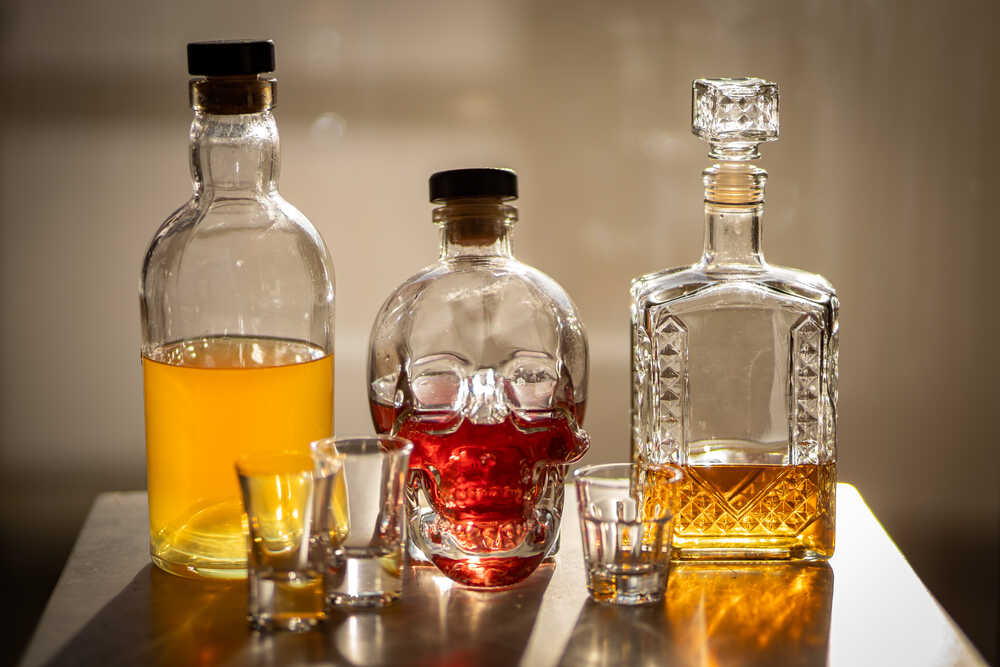
A 158-year federal ban on home distilling spirits crumbles under a court ruling, striking a blow against government overreach that threatened Americans with prison for a harmless hobby.
Story Highlights
- 5th U.S. Circuit Court of Appeals declares the 1868 ban unconstitutional, limiting it to Texas, Louisiana, and Mississippi for now.
- Hobby distillers no longer face federal penalties like 5 years in prison or $10,000 fines for personal use in these states.
- Ruling exposes limits on Congress’s taxing and commerce powers, echoing calls for restrained federal authority.
- Federal government may appeal to Supreme Court, keeping the issue in flux nationwide.
- Victory aligns with frustrations over elite-driven policies that prioritize control over individual freedoms.
Court Strikes Down Century-Old Overreach
The 5th U.S. Circuit Court of Appeals ruled the federal ban on home distilling unconstitutional. Enacted in 1868 during Reconstruction to secure tax revenue post-Civil War, the law prohibited personal production of spirits like whiskey. Judges determined this total ban exceeded Congress’s taxing authority, as it imposed prohibition rather than regulation. The decision applies only to Texas, Louisiana, and Mississippi, halting federal enforcement against hobbyists in those states.
Harsh Penalties Fueled the Challenge
Violators faced up to five years in prison and $10,000 fines for non-commercial distilling, even at home. This contrasted sharply with legal home brewing of beer and wine since 1978. Texas plaintiffs, backed by the Hobby Distillers Association, filed in 2024 district court. The appeals court agreed the ban proved “way too extreme” and “not a necessary and proper way” to wield tax power. Personal freedom from such threats now prevails in the 5th Circuit.
Stakeholders Celebrate Limits on Federal Power
The Hobby Distillers Association hailed the ruling as a major victory for its 1,300 members nationwide. Federal agencies like ATF and TTB defended the ban to protect revenue but lost on constitutional grounds. Courts checked legislative excess, highlighting Commerce Clause boundaries. This grassroots push underscores shared distrust in D.C. elites who expand government at personal liberty’s expense, resonating across political lines frustrated by deep state priorities over everyday Americans.
Commercial sales remain illegal without licenses, and state rules persist. The decision normalizes home spirits production like beer brewing, potentially cutting enforcement costs while boosting hobby supply markets.
Broader Implications for Federalism and Freedom
Short-term, 5th Circuit hobbyists gain relief from federal prosecution risks. Long-term, a Supreme Court appeal looms, possibly creating a circuit split or nationwide change. The ruling tests federalism by affirming state regulatory roles untouched. It exposes a Reconstruction-era relic mismatched with modern tax tools, critiquing overbroad bans. Both conservatives valuing limited government and skeptics of elite overreach see this as progress against failures eroding the American Dream.
Moonshine Notches a Win, As Appeals Court Rules 158-Year Ban on Home Distilling Unconstitutionalhttps://t.co/TpR4EXlWBm
— RedState (@RedState) April 11, 2026
Legal experts note the ban’s illogic: government cannot preemptively criminalize untaxable home use. While public safety concerns like methanol risks exist, the court focused on constitutional limits. This precedent may inspire challenges to other tax-based prohibitions, reinforcing founding principles of restrained authority.
Sources:
158yr-old home distilling ban ruled unconstitutional