
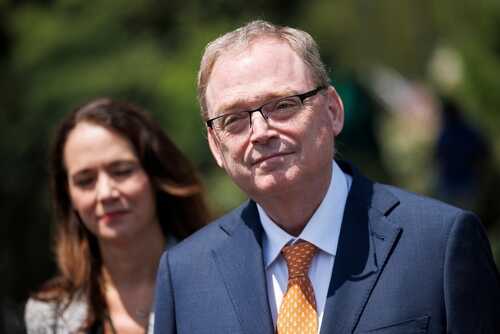
Wall Street’s financial elite are mobilizing behind the scenes to derail Kevin Hassett’s potential nomination as Federal Reserve chair.
Story Overview
- Trump has teased Kevin Hassett as “odds-on favorite” for Fed chair, sparking Wall Street alarm
- Financial establishment fears Hassett’s political loyalty could compromise Fed independence
- Major banks and investors worry about dovish policies prioritizing growth over inflation control
- Behind-the-scenes lobbying effort emerges to block nomination, citing Judy Shelton precedent
Trump Signals Hassett as Fed Chair Front-Runner
President Trump has publicly teased former Council of Economic Advisers chair Kevin Hassett as his leading candidate for Federal Reserve chair. Fox Business reported Trump describing Hassett as the “odds-on favorite” for the position. Former Trump Fed nominee Judy Shelton enthusiastically endorsed Hassett as a “superb economist” and “great choice,” emphasizing his support for Trump’s supply-side agenda including lower taxes, deregulation, and pro-energy policies.
Hassett served as Trump’s CEA chair from 2017-2019, helping architect the Tax Cuts and Jobs Act and broader deregulatory initiatives. His public advocacy for Trump’s economic policies and supply-side framework has positioned him as a trusted adviser within Trump’s inner circle. This close relationship, however, has become the source of Wall Street’s growing concerns about his potential Fed nomination.
Watch:
Wall Street Mobilizes Against Politically Aligned Pick
Major financial institutions are signaling strong opposition to Hassett’s potential nomination through informal lobbying efforts and market commentary. Wall Street prioritizes Fed chairs with deep central banking experience and proven commitment to institutional independence from political pressures. Banks, asset managers, and investment firms fear Hassett’s close Trump identification could undermine market confidence in the Fed’s ability to make data-driven decisions on interest rates and inflation control.
The financial establishment’s concerns center on Hassett’s lack of direct monetary policy experience and his perceived willingness to align Fed policy with Trump’s growth-focused agenda. Market participants worry this could lead to politically sensitive rate cuts during election cycles and greater tolerance for above-target inflation if it supports short-term growth objectives. These fears echo the successful Wall Street campaign against Judy Shelton’s nomination, which stalled in the Senate after economists and former Fed officials raised alarms about threats to Fed independence.
Wall Street moves to stop Trump from picking Kevin Hassett as next Fed chief — here’s why https://t.co/fLaMDkyhCF pic.twitter.com/Ji3SG2KUqU
— NY Post Business (@nypostbiz) December 5, 2025
Independence Concerns Echo Shelton Nomination Fight
Trump’s previous attempts to install loyalist candidates at the Fed provide a cautionary template for current opposition efforts. His nomination of Judy Shelton faced bipartisan Senate resistance due to concerns about her unconventional monetary views and perceived political alignment. Similarly, Stephen Moore’s potential nomination was withdrawn after criticism of his partisan background and lack of central banking credentials. These precedents demonstrate the political and market costs of selecting Fed chairs viewed as insufficiently independent.
The broader context includes Trump’s history of publicly attacking Fed chair Jerome Powell, calling him a “bonehead” and threatening to demote him for not cutting rates aggressively enough. This unprecedented political pressure on Fed policy integrated monetary decisions into daily partisan politics, raising risk premiums in bond markets. Wall Street’s preemptive opposition to Hassett reflects lessons learned from this earlier period and determination to preserve central bank credibility in inflation fighting.
Sources: