Arizona’s rising indoor heat deaths highlight government oversight failures, endangering vulnerable citizens.
Story Overview
- Indoor heat deaths in Arizona are increasing, raising concerns about climate policies.
- Vulnerable populations, including the elderly and low-income families, are most affected.
- Lack of efficient cooling systems and government support exacerbates the crisis.
Rising Indoor Heat Deaths Threaten Arizona Residents
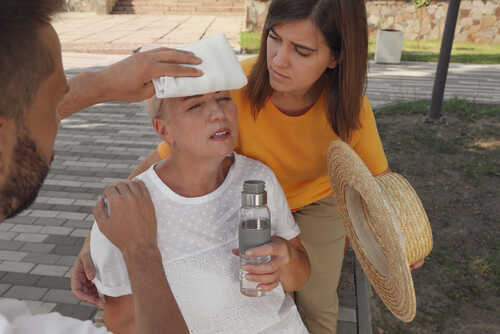
As climate change intensifies, Arizona faces a growing crisis of indoor heat deaths, particularly among vulnerable populations. The elderly, low-income families, and those without adequate cooling systems are at an increased risk. This alarming trend underscores the urgent need for effective climate policies and infrastructure improvements to protect citizens from extreme temperatures.
“It happened so fast”: the shocking reality of indoor heat deaths in Arizona – The Guardian https://t.co/l8lDJCpklq
— Debora Roman (@DeboraRoman15) September 1, 2025
Insufficient Cooling Systems and Government Support
The lack of efficient cooling systems in many Arizona homes has been identified as a key factor in the rise of indoor heat deaths. Despite the state’s scorching temperatures, numerous households lack air conditioning or have units that are too outdated to handle the increasing heat. Government support, both in terms of infrastructure and financial assistance, has been insufficient to address these dire needs, leaving many residents vulnerable during heatwaves.
While local governments have initiated some programs to assist low-income families with cooling costs or upgrades, these efforts fall short of meeting the widespread demand. The absence of comprehensive policies addressing the infrastructural inadequacies highlights a critical oversight in government planning, putting countless lives at risk.
Watch:
Impact on Vulnerable Populations
The most affected by Arizona’s indoor heat crisis are the elderly and low-income families, who often lack the resources to combat relentless heat. Many live in older homes that are poorly insulated, making them ill-equipped to manage the rising temperatures. The financial strain of upgrading cooling systems or even running existing ones continuously is often beyond their means.
These communities are further disadvantaged by limited access to public cooling centers, which are not always available or accessible to those without transportation. The combination of these factors creates a dangerous environment where heat-related illnesses and deaths are becoming tragically common.
Addressing this crisis requires more than temporary solutions; it demands a reevaluation of current policies and a commitment to investing in sustainable, long-term infrastructure improvements. Without decisive action, the toll of indoor heat deaths in Arizona is likely to escalate, further burdening already vulnerable populations.
Sources:
Stakeholder Analysis – Hutton Institute
What is Stakeholder Analysis? – Boreal Information Strategies
Stakeholder Analysis – IMD Governance