

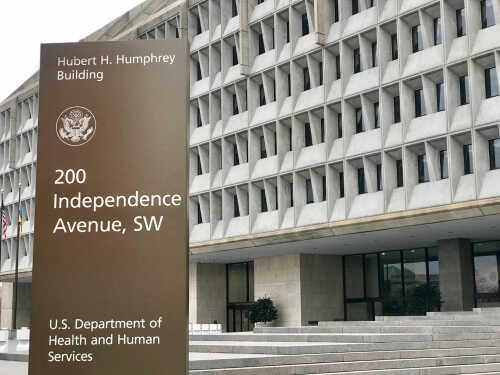
The new HHS nominee has taken a firm stand against transgender treatments for children, igniting a debate that could reshape healthcare policy.
At a Glance
- Top HHS nominee opposes transgender treatments for minors.
- Previous HHS leadership promoted these treatments, sparking controversy.
- FDA’s leadership changes may alter future drug promotion policies.
- Congress debates the balance between industry ties and public health.
A New Direction for HHS
The latest nominee for the U.S. Department of Health and Human Services (HHS) is setting a different course from the previous administration by opposing transgender treatments for children. This stance marks a significant departure from the policies championed by former figures in the department who were more inclined to align with pharmaceutical interests. Under the Biden administration, the previous Assistant Secretary for Health endorsed the use of certain drugs and surgeries for minors seeking gender transition. This approach was met with both support and criticism, reflecting the deep divisions in public opinion.
The nomination has drawn attention to the broader issue of how the HHS balances industry influence with its public health mission. The nominee’s opposition to these treatments is rooted in a conservative perspective that emphasizes the protection of children and the preservation of family values. This view resonates with many Americans who are concerned about what they see as overreach in medical interventions for minors.
Watch: Supreme Court upholds ban on transgender treatments for minors
The Influence of Industry Ties
The role of the HHS has always been complex, sitting at the intersection of public health policy and industry interests. Alex Azar, a former executive at Eli Lilly and Company, faced criticism during his tenure as HHS Secretary for allegedly favoring pharmaceutical companies. Critics argued that his industry background influenced his promotion of drugs and medical procedures, raising questions about potential conflicts of interest. This concern is not new; previous secretaries have also been scrutinized for perceived industry-friendly policies.
The FDA’s Office of Prescription Drug Promotion (OPDP) has seen significant leadership turnover, which has further fueled debates about regulatory oversight. Recent resignations at the FDA have created a leadership vacuum, allowing the new HHS leadership under Robert F. Kennedy Jr. to potentially reshape drug marketing policies. This could lead to a major shift in how drugs and surgeries are promoted, especially those related to gender transition in minors.
Congress and HHS: A Balancing Act
Congress plays a crucial role in overseeing the actions of the HHS and the FDA, ensuring that public accountability and regulatory oversight are maintained. Lawmakers, including those like Sen. Dick Durbin, have voiced concerns about the FDA’s capacity to regulate drug advertising amid recent staff changes. The recent court ruling striking down HHS drug advertising rules for overreach underscores the delicate balance between regulation and overregulation.
As the HHS moves forward with developing new guidelines for drug marketing, transparency and informed consumer choice are likely to be at the forefront. These changes could impact not only how transgender treatments are promoted but also how the pharmaceutical industry as a whole operates. The long-term implications of these developments may include shifts in industry practices, changes in public trust, and the accessibility of information regarding drugs and surgeries.