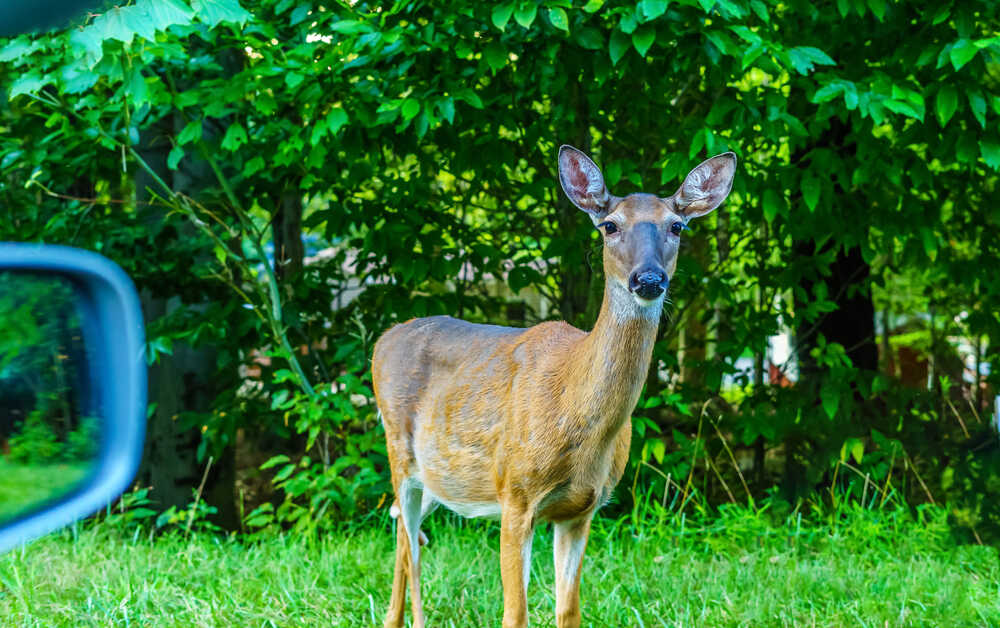
Florida’s wildlife faces a new threat as officials confirm a second case of deadly “zombie deer disease”.
Story Snapshot
- State wildlife officials confirm a second case of chronic wasting disease (“zombie deer disease”) in Holmes County, Florida.
- The disease is always fatal to deer and has prompted expanded government monitoring and new hunting restrictions.
- No human infections are confirmed, but the CDC urges hunters not to consume meat from infected animals, causing concern among sportsmen.
- Conservative residents raise questions about long-term impacts on hunting rights, local economies, and government overreach.
“Zombie Deer Disease” Returns: A Threat to Florida’s Traditions and Economy
Florida Fish and Wildlife Conservation Commission officials have confirmed a second case of Chronic Wasting Disease (CWD), also known as “zombie deer disease,” in a white-tailed deer found in Holmes County. The first case surfaced in June 2023, and with this new discovery in October 2025, many residents—especially hunters and property owners—are voicing concerns about the slippery slope of increased government intervention under the guise of public health. The FWC now urges hunters to submit deer heads for testing and has launched new surveillance campaigns, leading some to worry about future hunting restrictions and the erosion of longstanding traditions.
Florida wildlife officials discover second case of ‘zombie deer disease’ in state https://t.co/qJk22U8Ved
— #TuckFrump (@realTuckFrumper) October 15, 2025
Chronic wasting disease is a prion disease that attacks the nervous system of deer, elk, moose, and caribou, always ending in death for the infected animal. Originally discovered in Colorado in the 1960s, the disease has gradually spread throughout the country, reaching Florida for the first time just two years ago. The disease moves through direct animal contact or contaminated environments, prompting state officials to implement rigorous testing and public education efforts. Hunters are now being asked to watch for sick wildlife and participate in state-run surveillance programs.
Watch: FWC confirms second case of ‘zombie deer disease’ in Holmes County
Government Response and Hunter Participation
In response to the latest CWD case, the Florida Fish and Wildlife Conservation Commission has redoubled surveillance in Holmes County, maintaining the established CWD Management Zone. While officials insist these measures are necessary to prevent further spread, hunters and local communities worry about the broader implications: new restrictions, red tape, and the possibility of heavy-handed regulation that could undermine Second Amendment rights and long-held hunting freedoms. The CDC, meanwhile, recommends that hunters avoid eating meat from infected animals, a precaution that—while understandable—has left some rural families uneasy about state interference in their way of life.
FWC emphasizes cooperation with hunters, encouraging them to report sick deer and submit samples for testing. This partnership is crucial for early detection and prevention, but it also stirs concerns about privacy, potential overreach, and whether such surveillance will become permanent. Many in Florida’s rural heartland see hunting as not just a pastime but a pillar of self-reliance and community, and they remain wary of any measures that might threaten those values.
Economic and Social Consequences
The prospect of further CWD outbreaks brings economic uncertainty to communities that depend on hunting-related tourism and outdoor recreation. If the disease spreads or if government restrictions tighten, local businesses—ranging from outfitters to small-town restaurants—could see reduced revenue. The possibility of declining deer populations also worries wildlife enthusiasts and sportsmen, who fear lasting damage to Florida’s ecosystem and their cherished outdoor traditions.
Experts agree that ongoing surveillance and public education are essential to manage the threat, especially given the lack of any cure or vaccine for CWD. Researchers warn that the disease could persist in the environment for years, making prevention and containment crucial. Yet for many conservative Floridians, the real test will be whether these measures respect individual rights, hunting heritage, and the balance between safety and freedom.
Sources:
Second Case of Chronic Wasting Disease Confirmed in Florida
Florida boosts monitoring for chronic wasting disease in deer