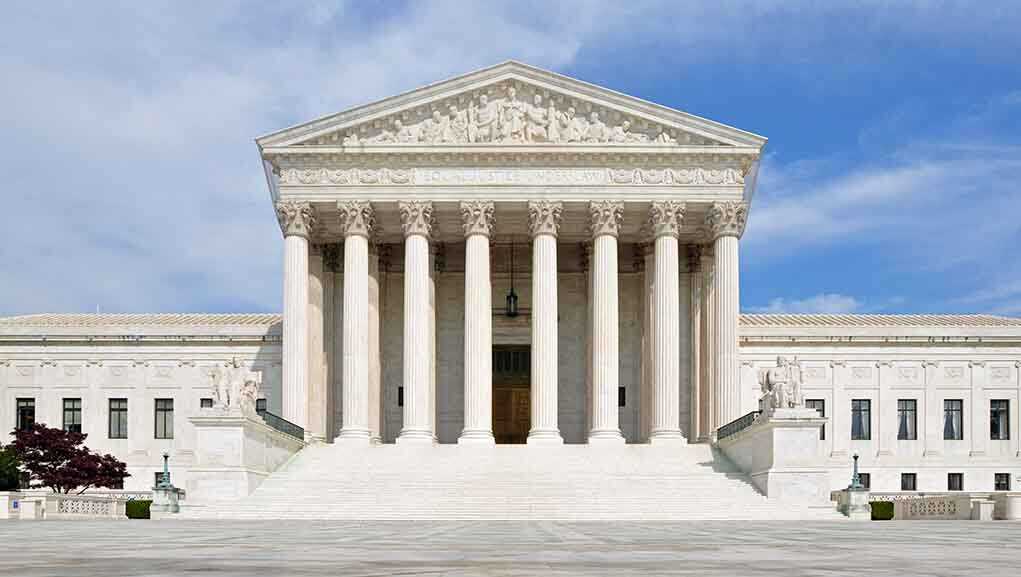
The Supreme Court allowed President Trump’s mail-in voting security order to take effect for now, and top Democrats erupted.
Story Highlights
- The Supreme Court paused a lower ruling, letting Trump’s mail-ballot safeguards proceed during appeals.
- The order directs federal agencies to tighten mail voting security, including barcode tracking and citizenship list checks.
- Lower courts previously blocked key parts and questioned presidential authority over elections.
- Democratic leaders and advocacy groups claim the order suppresses votes and violates state control.
What The Supreme Court Did And Why It Matters
The Supreme Court on August 24 halted a lower court ruling that had blocked parts of President Trump’s mail-in voting executive order. The pause lets parts of the order operate while appeals continue. The Court did not decide the final merits. It gave the administration space to implement security steps before the midterms, subject to further review. The decision followed weeks of legal whiplash in trial and appeals courts that left states, voters, and the Postal Service in limbo.
President Trump’s March 31 order focuses on mail-ballot integrity, not ending voting by mail. The order calls for barcodes on ballot envelopes and federal coordination to keep ballots from going to ineligible recipients. The White House framed it as “safe, secure, and accurate” voting. Critics say it goes too far. Supporters say it adds basic guardrails that any honest system should welcome.
Inside The Order: Agencies, Barcodes, And Citizenship Checks
The order instructs the Postmaster General to start formal rulemaking to set uniform standards for mail-in and absentee ballot services. It pairs that with direction to build citizenship verification lists and to ensure ballots are only delivered to eligible voters on state-authorized rolls. It also urges the Attorney General to target actors who send ballots to ineligible individuals. The design is to track, verify, and deter abuse without ending lawful mail voting.
Early court fights turned on timing and process. A federal judge first called some challenges premature because the Postal Service had not yet issued its implementing rule. An appeals panel later declined to block the order while cases moved forward. These steps did not settle constitutionality. They did allow the administration to keep building an operational framework pending fuller review on the law and the facts.
The Legal Clash: States’ Authority Versus Federal Safeguards
Opponents argue the Constitution gives rulemaking power for federal elections to the states and to Congress, not to the president. A Boston-based federal judge blocked core parts and said Trump exceeded his authority. The First Circuit Court of Appeals later refused to lift that halt in one phase, keeping legal pressure high. Those rulings framed the order as intruding on federalism. The Supreme Court’s stay changed posture but did not resolve the core dispute.
Supporters counter that the federal government can set the Postal Service’s national standards and pursue election crimes. They say barcodes and better list hygiene protect every legal voter by stopping misdelivered ballots and fraud attempts. The administration asked the Supreme Court to allow nationwide implementation during litigation, citing election security needs and the limited window to prepare for voting.
Democratic Blowback And What Comes Next
Democratic officials and voting-rights groups blasted the order as unconstitutional and a threat to ballot access. They argue it would stop the Postal Service from distributing absentee ballots to anyone not on newly verified lists, risking errors that could block legal voters. They warned the policy undercuts state control over elections and could confuse local officials in the heat of voting season.
Supreme Court Clears Path for Trump’s Order Restricting Mail-In Voting Ahead of Midterms.
The U.S. Supreme Court has allowed the Trump administration to move forward with an executive order aimed at tightening rules on mail-in ballots before the upcoming midterm elections. The… pic.twitter.com/kW1JCfAaYc— The Uninvited Press (@duninvitedpress) August 25, 2026
The Postal Service’s stance added complexity. Reporting indicates the agency at points signaled it would not apply new restrictions for the upcoming election while courts weighed in. Judges also barred the Postal Service from carrying out parts of the order nationwide during earlier stages. The Supreme Court’s intervention now reopens room to implement. Final answers will depend on future rulings and how any Postal Service standards handle mistakes and cure options.
Bottom Line For Voters And Election Workers
The Supreme Court’s action is a real, near-term win for election integrity efforts, but it is temporary. The plan’s success rests on clear rules, reliable list matching, and prompt fixes for errors. Barcodes and better verification can protect legal votes and deter abuse if done with care. States still run elections day to day. The coming months will show whether federal standards can support that work without tripping constitutional lines the lower courts flagged.
Sources:
aclum.org, reuters.com, aclu.org, cnn.com, supremecourt.gov, npr.org, apnews.com, washingtonpost.com