

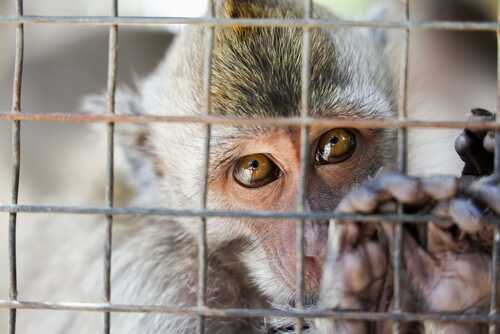
Two men caught smuggling 81 monkeys and methamphetamine in Thailand have allegedly confessed to being part of an international wildlife trafficking ring.
Story Snapshot
- Two suspects arrested in Thailand with 81 monkeys crammed into bags alongside methamphetamine
- Men allegedly confessed to participating in international wildlife smuggling operations
- Case highlights growing connection between drug trafficking and illegal animal trade
- International wildlife smuggling threatens endangered species and funds criminal organizations
Criminal Network Exposed in Thailand Bust
Thai authorities apprehended two men who allegedly confessed to operating within an international wildlife smuggling network after discovering 81 monkeys stuffed into bags during their arrest. The suspects were also carrying methamphetamine, revealing the disturbing overlap between drug trafficking and illegal animal trade. This bust demonstrates how criminal organizations exploit weak border enforcement to move both narcotics and endangered wildlife across international boundaries, enriching cartels while devastating natural ecosystems.
Watch:
Wildlife Trafficking Fuels International Crime
The discovery of dozens of monkeys alongside illegal drugs illustrates how wildlife smuggling has become a lucrative enterprise for international criminal networks. These operations generate billions annually while driving species toward extinction and undermining legitimate conservation efforts. The cramped conditions these animals endure during transport often result in high mortality rates, making this both an environmental catastrophe and animal cruelty issue that demands stronger enforcement measures.
Authorities: Two Men in Smuggling Ring Caught with 81 Monkeys, Meth https://t.co/KfJU7yuN83
— Sonyx (@ar83461156) November 19, 2025
Border Security and Conservation Under Threat
This case underscores the critical need for enhanced border security measures to combat the growing threat of international smuggling rings that traffic both drugs and wildlife. Criminal organizations view porous borders as opportunities to move high-value contraband while evading detection, generating massive profits that fund further illegal activities. The combination of narcotics and endangered animals in a single operation reveals the sophisticated nature of these networks and their willingness to exploit any weakness in international enforcement.
Law enforcement agencies must recognize that wildlife trafficking represents more than an environmental concern—it constitutes a national security threat that enriches the same criminal organizations involved in drug smuggling, human trafficking, and other dangerous activities. Stronger penalties and coordinated international enforcement efforts are essential to dismantling these networks before they cause irreparable damage to both global security and endangered species populations.
Sources: