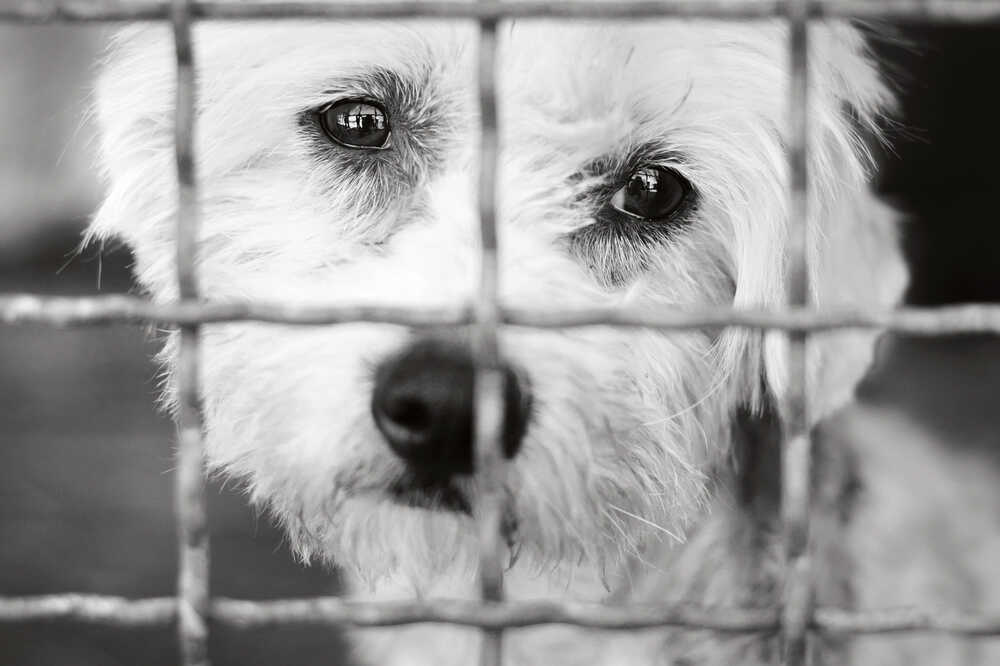
India’s Supreme Court reverses its order to mass-capture Delhi’s stray dogs after facing fierce backlash.
Story Highlights
- Supreme Court dramatically reverses mass dog removal order after acknowledging it was “too harsh” and logistically impossible
- Initial August 11 directive would have captured up to one million stray dogs within eight weeks across Delhi
- Revised policy mandates sterilization and vaccination, releasing healthy dogs back to streets while sheltering only aggressive or rabid animals
- Case expanded nationally to all states and union territories, potentially affecting India’s 15 million stray dogs
Supreme Court’s Dramatic Policy Reversal
India’s Supreme Court executed a stunning about-face on August 22, 2025, when a three-judge bench acknowledged their previous order was fundamentally flawed. The initial August 11 directive from a two-judge bench had mandated Delhi authorities capture and shelter all stray dogs within eight weeks. This ambitious timeline collapsed under scrutiny when officials realized the impossibility of managing up to one million dogs in a city already struggling with basic infrastructure. The revised order now prioritizes sterilization and vaccination programs.
India’s Supreme Court has stopped the order to round up & confine Delhi’s stray dogs.
🐕 Dogs must be released after sterilisation & immunisation
⚠️ Only rabid/aggressive dogs stay in shelters
🥣 Feeding zones to be set up citywideHuge thanks to everyone who protested. pic.twitter.com/J3XsannYEe
— Animal Save Movement (@animalsavemvmt) August 22, 2025
Massive Scale of Delhi’s Stray Dog Challenge
Delhi’s stray dog population presents staggering logistical challenges that the original court order failed to consider. With estimates reaching one million stray dogs across the Delhi-NCR region and a broader national population of 15 million, the scope dwarfs municipal capacity. The city recorded 25,000 dog bite incidents in 2024 alone, part of India’s 3.7 million nationwide cases. These statistics underscore genuine public safety concerns, particularly for children and elderly residents who face the highest risk of attacks and rabies exposure.
Watch: India reverses order to detain stray dogs – YouTube
Public Health Versus Animal Welfare Tensions
The court’s initial overreach highlighted the complex balance between legitimate safety concerns and practical animal management. India accounts for one of the world’s highest rabies death rates, making vaccination programs critical for public health. However, animal welfare activists successfully argued that mass sheltering would create inhumane conditions and logistical nightmares. The compromise solution mandates sterilization and vaccination for all strays, with only aggressive or rabid dogs remaining permanently sheltered rather than released back to their territories.
National Policy Implications and Municipal Burden
The Supreme Court’s expansion of this case to all Indian states and union territories signals potential nationwide policy changes that could strain already stretched municipal budgets. Local authorities must now submit compliance affidavits detailing their resources and implementation progress, creating new bureaucratic burdens. The financial implications include funding for veterinary services, shelter construction, and ongoing vaccination programs. This top-down judicial mandate forces municipalities to allocate resources without corresponding federal funding guarantees, typical of India’s complex governance challenges.
While the revised order represents a more practical approach than mass removal, questions remain about enforcement capacity and long-term sustainability. Municipal authorities face the daunting task of implementing sterilization programs at unprecedented scale while managing public expectations for immediate safety improvements. The success of this judicial intervention will ultimately depend on sustained political will, adequate funding, and effective coordination between various stakeholders across India’s complex federal system.
Sources:
Supreme Court Delhi stray dogs shelters roads order – Indian Express
Supreme Court stray dogs hearing live updates – Times of India
Supreme Court Official Judgement PDF – August 22, 2025