
A renewed push to label Antifa as domestic terrorists raises constitutional concerns and sparks debate.
Quick Take
- President Trump considers labeling Antifa as domestic terrorists.
- Legal constraints prevent formal domestic terrorism designations.
- Antifa’s decentralized nature complicates regulatory efforts.
- Debate highlights tensions over protest rights and government authority.
Trump’s Renewed Call for Antifa’s Designation
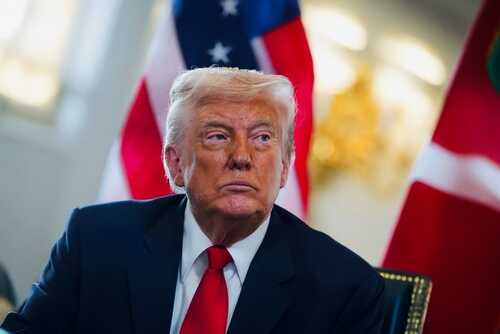
President Donald Trump recently announced his intent to pursue the designation of Antifa as a domestic terrorist organization. This move reignites a debate that has persisted since his initial calls during his first presidency. The announcement comes amid continued concerns over Antifa’s involvement in protests and violent incidents, which Trump and his administration have attributed to the group.
Despite the President’s assertions, U.S. law currently lacks a mechanism to formally designate domestic groups as terrorist organizations. This legal limitation has been a significant barrier to Trump’s efforts, which began as early as 2017. The decentralized and leaderless nature of Antifa further complicates any potential legal action, as it lacks the structure typically associated with formal organizations.
Trump confirms he will designate Antifa as a domestic terror organization if the DOJ approves it
He says criminal RICO investigations are also being run against Antifa financiers and others who fund violent riots
We want perp walks ASAP
For Charlie pic.twitter.com/r6kHq2PrV9
— DC_Draino (@DC_Draino) September 15, 2025
Legal and Political Controversies
Efforts to label Antifa as domestic terrorists have been met with substantial legal and political challenges. Legal experts widely contend that current U.S. law does not permit the designation of domestic groups as terrorist organizations. Civil rights organizations have also raised concerns, arguing that such a designation could infringe upon First Amendment rights and set a dangerous precedent for government overreach.
The debate over Antifa’s designation reflects broader political and social tensions in the U.S. Some politicians, such as Rep. Marjorie Taylor Greene, have supported resolutions calling for such a designation, aligning with Trump’s agenda. However, civil rights groups and legal scholars warn that these efforts are politically motivated and legally dubious, raising concerns about the potential impacts on protest rights and civil liberties.
Watch: Trump on labeling Antifa domestic terrorist organization – YouTube
Implications and Future Considerations
The potential designation of Antifa as a domestic terrorist organization carries significant implications. In the short term, it could lead to increased scrutiny and legal actions against individuals associated with the group. In the long term, the move could chill protest movements and lead to legal challenges over constitutional rights, particularly concerning free speech and assembly.
These developments are part of a broader dialogue on the balance between maintaining public order and protecting individual freedoms. As the debate continues, it remains crucial to consider the long-term effects of such government actions, particularly on decentralized movements like Antifa, which challenge traditional organizational structures and legal definitions.
Sources:
Antifa (United States) – Wikipedia
Cassidy Statement on Trump Designating Antifa as Domestic Terrorists – Cassidy Senate