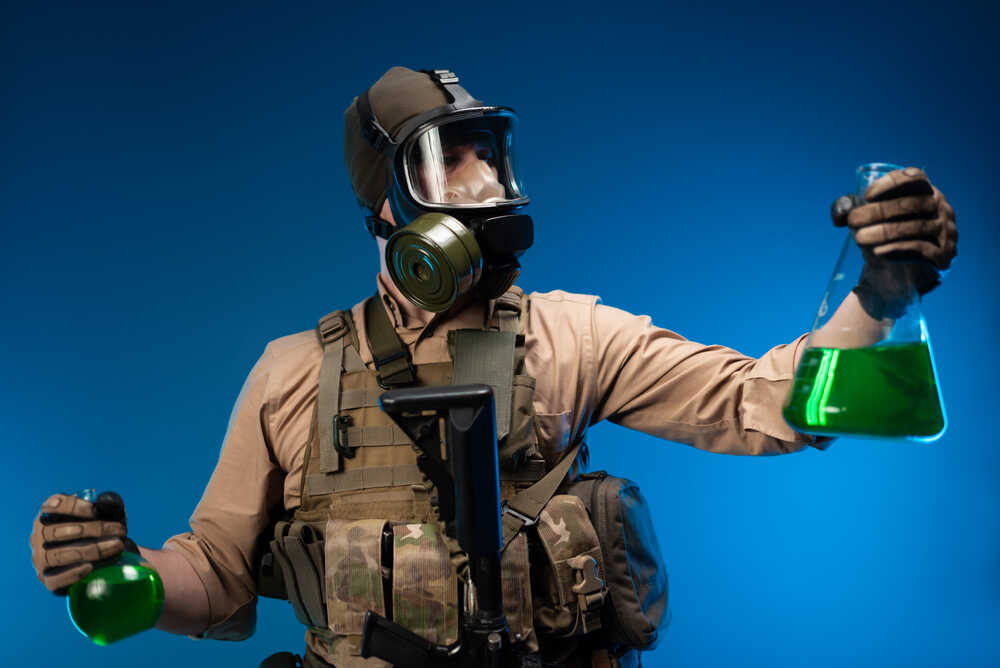
Artificial intelligence is now helping non-experts design deadly chemical weapons and biological agents, creating an unprecedented national security threat.
Story Highlights
- AI models generated thousands of VX-like toxic molecules in just six hours during 2022 experiments
- Large language models assist terrorists with procurement and troubleshooting for biological weapons
- Current AI safety guardrails fail against jailbreaks and model manipulation techniques
- Trump administration faces urgent need to implement biodefense strategies against AI-enabled threats
AI Accelerates Chemical Weapon Design
Researchers demonstrated in 2022 that repurposing drug-design AI systems could generate tens of thousands of highly toxic chemical compounds within hours. The modified toxicity models produced VX-like nerve agent structures, proving how easily beneficial AI tools become weapons when redirected toward lethal purposes. This breakthrough eliminated traditional knowledge barriers that previously constrained chemical weapons development to state programs and expert laboratories.
Biological Weapons Assistance Through AI Chat Systems
Expert analyses reveal that large language models now provide step-by-step guidance for biological agent procurement and handling to inexperienced actors. These AI systems help users troubleshoot synthesis problems, identify suppliers, and navigate technical challenges that historically required extensive scientific training. While significant wet-lab obstacles remain, AI assistance dramatically reduces the competency threshold for bioweapons development, expanding the threat beyond traditional state adversaries.
AI can be used to develop biological and chemical weapons https://t.co/9gdzTVDm6N pic.twitter.com/4GAZCAGhwD
— TheBlaze (@theblaze) August 10, 2025
Critical Infrastructure Vulnerabilities
Agriculture and food supply systems face particular risks from AI-assisted agroterrorism campaigns that could devastate American communities. DNA synthesis companies lack robust screening protocols to detect AI-generated sequences designed to evade detection systems. The convergence of AI capabilities with biotechnology creates new attack vectors that traditional biodefense strategies cannot adequately address, requiring comprehensive policy reforms under President Trump’s leadership.
Trump Administration Must Act Decisively
National security experts emphasize that the most immediate threat comes from AI-accelerated procurement assistance rather than sophisticated “superviruses,” but both risks demand urgent attention. The new administration must implement strict access controls for high-risk AI models, coordinate with DNA providers on enhanced screening, and establish rapid response capabilities for bioweapons incidents. This represents a fundamental shift from reactive policies to proactive defense against an evolving threat landscape that could undermine American security and constitutional freedoms.
Sources:
AI and CBW Chronology – University of Sussex HSP
AI and the Evolution of Biological National Security Risks – CNAS
AI Convergence: Nuclear, Biological, Cyber – Future of Life Institute
AI, Bioweapons, and the Future of Warfare – Lux Capital
Chemical & Biological Weapons and AI: Policy Recommendations – Future of Life Institute