

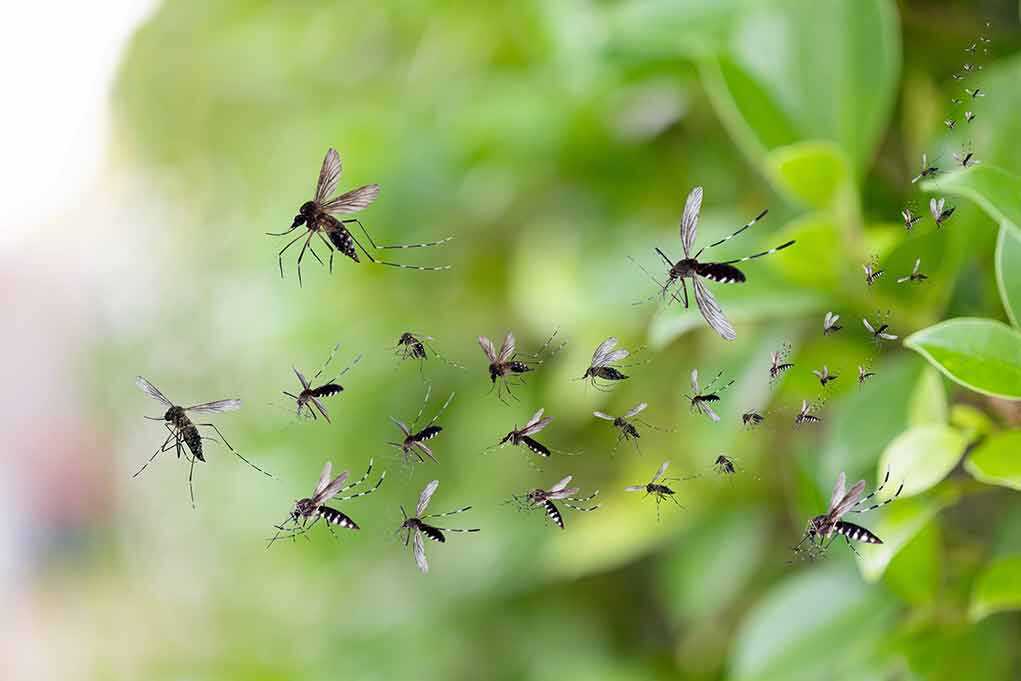
A new study shows different mosquito species go after different people, proving there is no single “mosquito magnet.”
Story Highlights
- Researchers tested 119 people and found no one attracted all three mosquito species.
- Each species keyed on different human skin odors and bacteria signatures.
- Aedes albopictus linked to higher skin ketones; others favored lower overall odor.
- Data and code are public, allowing others to check the results.
Study Finds Species-Specific Attraction, Not One-Size-Fits-All
Florida International University scientists reported that three common mosquito species do not chase the same people. The team tested 119 volunteers against Aedes aegypti, Aedes albopictus, and Culex quinquefasciatus using a controlled odor test. The researchers stated that not a single participant attracted all three species, which means attraction is species-specific, not universal. This matters for families trying to protect kids outdoors and for county health teams who fight diseases spread by these pests.
Scientists measured attraction with a uniport olfactometer, which isolates body odors to see which species fly toward them. This is a direct behavior test, not a survey of bite stories. The setup let the team compare every person with every species under the same lab rules. That design makes the result clear and fair across all participants. The public data set confirms that female mosquitoes were the focus, since they are the ones that bite.
Distinct Odors And Microbes Steer Different Mosquitoes
Reporters summarizing the work say each species followed a different scent map. Aedes albopictus favored people with higher ketone levels in their skin odor. Aedes aegypti and Culex quinquefasciatus leaned toward people with less overall skin odor. All three still shared some cues, such as attraction to ethyl 2-methylbutanoate and less interest in 1-penten-3-ol, showing both overlap and differences in signals. This helps explain why one friend gets swarmed in the yard while another does not.
The team also linked species preferences to skin bacteria. Coverage notes that Aedes aegypti attraction tracked with more Staphylococcus on the skin. Aedes albopictus linked with bacteria such as Streptococcus intermedius and Anaerococcus octavius. Culex quinquefasciatus showed its own distinct microbe ties. These are associations, not proof of cause, but they match earlier research that skin microbes shape human odor and mosquito behavior.
Public Data Invite Replication And Better Local Control
The authors posted the data and code so others can test the findings, check the models, and try to predict which people each species will target. That transparency helps counties plan targeted repellents and traps, and it supports industry work on better lures. For families, the message is simple: what works for one species may not work for another. Smarter tools can match local species and cut bites without blanket chemical spraying.
A new Florida International University study finds each mosquito species is drawn to its own mix of human skin odors, chemicals, and bacteria, challenging the idea of a universal mosquito magnet and pointing toward better repellents. 🦟 pic.twitter.com/sQcl6XP8KV
— Bio DNA (@biodnaa) November 11, 2026
Scientists and health officials caution that lab attraction is not the same as real-world biting, which also depends on heat, movement, clothing, and carbon dioxide. Still, attraction is the first step in biting and disease spread. This study adds a strong piece to the puzzle by ranking how different species respond to the same person under the same conditions. Practical next steps include field tests to see if these odor rankings predict landing and biting outdoors.
What This Means For Households, States, And National Policy
Homeowners can pair proven repellents with clean habits that shape skin odor, while keeping yards dry and screened. Counties can map which species dominate each season and deploy targeted lures that match their scent profile. At the federal level, disease control funds work best when they back tools that reflect species differences, not one-size-fits-all programs. Public data like this help agencies spend smarter and protect families without needless overreach or waste.
Bottom Line: Match The Species, Win The Fight
Scientists showed that mosquitoes are picky, and different species pick different people. No participant drew all three species, and each species followed its own odor and microbe trail. With open data to verify and build on, local teams can use precise traps and repellents, save money, and cut bites. That is good news for parents at the ball field, hunters in the woods, and anyone who wants practical, targeted solutions that respect common sense and deliver real results.
Sources:
wusf.org, pmc.ncbi.nlm.nih.gov, discovermagazine.com, datadryad.org, sciencenews.org