
A Russian strike that first hit an aid site and then bombed a nearby shelter in Komyshuvakha has left at least 53 people dead, shocking a war-weary region.
Story Highlights
- Officials reported 53 dead after a November 2 strike in Komyshuvakha, Zaporizhzhia.
- Rescuers cleared rubble for days under risk of more attacks.
- An aid-distribution school was hit first, followed by bombs near a shelter.
- Evacuations continued as crews recovered more bodies from debris.
Officials report 53 dead after aid site and shelter strikes
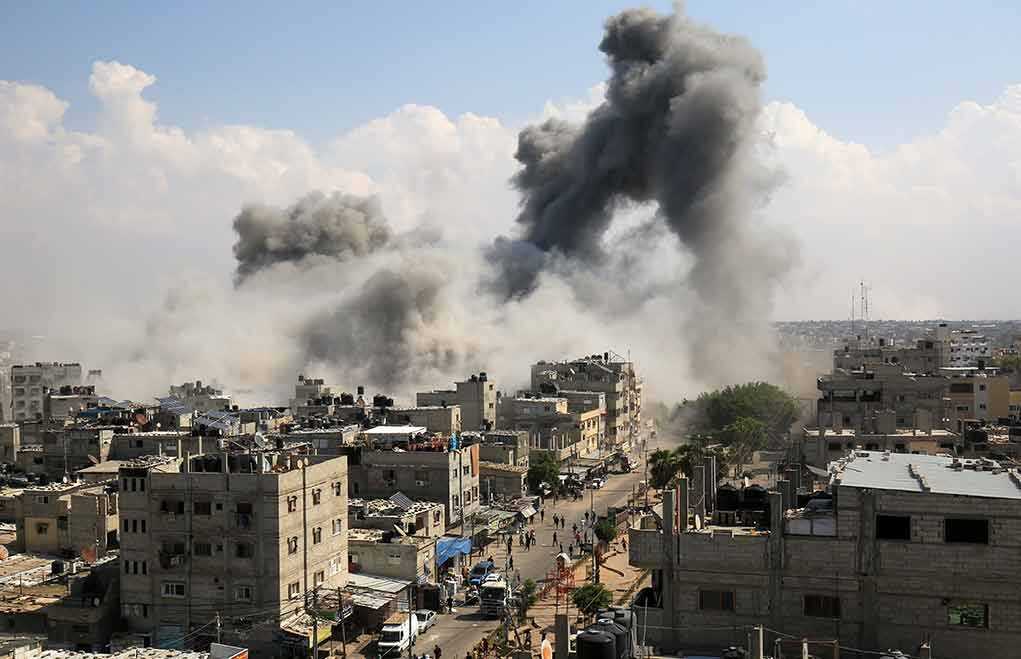
Ukrainian regional authorities said the death toll in Komyshuvakha reached 53 after a November 2 Russian strike in the Zaporizhzhia region. A regional official reported the updated total as search teams found more bodies during multi-day operations. The State Emergency Service had earlier listed 50 dead while work continued. The strike hit an aid-distribution site in a school and then bombs landed near a shelter where people had moved for safety, according to officials.
Rescue crews described hard, dangerous work as they cleared rubble and searched for victims for several days. The State Emergency Service said teams faced a constant threat of more strikes while removing debris at the scene. Workers used excavators and hand tools to pull bodies and survivors from collapsed structures. Video shared by national police showed responders loading bodies and heavy equipment moving wreckage in the destroyed area, matching the on-the-ground accounts.
Sequence of impacts and ongoing evacuations
Local reports said a bomb first hit a school used to hand out aid. People ran to a nearby shelter. Then nine more aerial bombs struck the shelter area, causing mass casualties. The sequence left rescue teams working across a wide debris field. Evacuations followed as officials moved residents out of danger while searching continued. Reports from the scene stressed that operations had not stopped for days after the initial blast and follow-on impacts.
Media outlets repeated updated totals as crews recovered more victims during the week. The pattern fits a common wartime reality. Numbers rise as rescuers reach collapsed rooms and basements and confirm identities. The United Nations rights office has said casualty counts often change in active conflicts as evidence is gathered and verified through standard methods and field checks, which take time under fire and in damaged areas.
Location, timing, and conditions on the ground
Officials identified Komyshuvakha, a settlement in the Zaporizhzhia region, as the site of the November 2 strike. Reports from Ukrainian agencies and regional offices named the same place and date. The State Emergency Service described an operation running for days as crews dug through unstable debris. Responders warned about fresh attacks while they worked. That danger limited how fast teams could move and how many people could be on the pile at once without added risk.
The number of fatalities resulting from the Russian airstrike on Komyshuvakha in the Zaporizhzhia district on November 2 has risen to 55, according to the State Emergency Service. pic.twitter.com/mLHw0HJyfL
— Dennis (@kremenko34) November 7, 2026
Police and rescue footage showed damage that matched a direct hit on a school building and heavy strikes near a shelter. Excavators and cranes picked apart smashed concrete while responders carried out the dead. Crews said they found more bodies as they reached deeper layers of rubble. Officials said the work would continue until the site was cleared. Reporters noted that regional authorities gave the latest total while the State Emergency Service focused on operations and safety alerts.
Why this matters for U.S. readers
America watches this war because it affects global security, energy costs, and our allies. Attacks on aid sites and shelters create chaos and spike humanitarian needs. Those shocks can ripple into global markets and strain borders. Clear facts help citizens judge policies with care. This report shows who was hit, when it happened, and how crews responded. It also shows why steady leadership, strong deterrence, and smart aid oversight matter in fast-moving, high-risk conflicts.
Sources:
youtube.com, yahoo.com, en.interfax.com.ua, ukranews.com, socialnews.xyz, heraldonline.com, ohchr.org