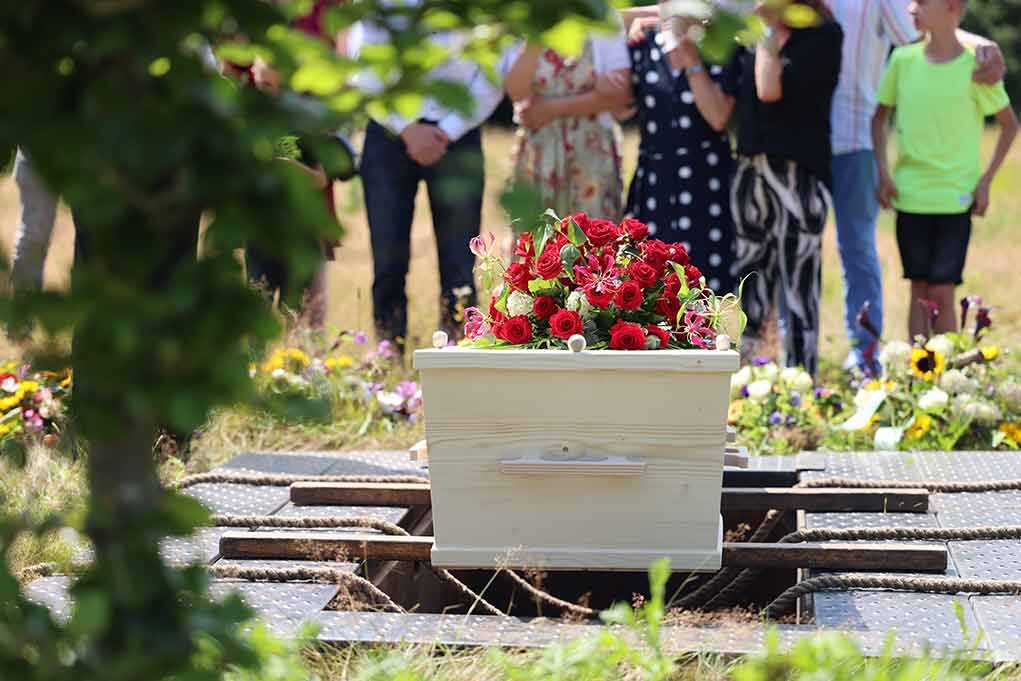
Video from a village wake in Guatemala shows a 15-year-old girl sitting up in her coffin and asking for water, after her family believed she had died earlier that day.
Story Highlights
- Video shows attendees helping the teen out of her coffin during the wake.
- The teen says she felt chest pain and then fainted before the family assumed she died.
- Reports say no doctor certified her death before the wake began.
- The case spotlights why death calls must be made by medical professionals, not families.
What Happened At The Wake In El Jocote
Local outlets in Guatemala report that the incident took place in El Jocote, a village in Sacapulas, Quiché. They identify the teen as 15-year-old Yuleidy Ixcotoyac. During the wake, video shows mourners gathered around as she moved, sat up, and was helped out of the coffin. People can be seen offering her water and support. Attendees said they had prepared to mourn a death hours earlier, only to see signs of life during the service.
Her family had told reporters that she collapsed earlier with chest pain and became unresponsive. Her father said he could not detect a pulse or breathing while on the road near San Pedro Jocopilas. He believed she had died and did not complete a hospital intake. He then obtained a coffin and returned home for a wake. The timeline, as reported, shows she later moved during the vigil and regained consciousness.
What The Teen And Parents Say About The Timeline
In a recorded interview, the teen described a feeling of heaviness in her chest, then fainting. She said she learned later that her father believed she had died before they reached help. Her account does not claim a medical death. It tracks with what the family and guests later saw at the wake. The mother has also said she thought her daughter showed signs of life when she first began to move in the coffin during the service.
Coverage from Spanish-language outlets states that no physician had certified the death before the wake. Reports also say no medical report was made public at that time. That detail matters. A family’s belief, even in deep grief, does not replace a formal exam. In this case, the event appears to reflect a mistaken assumption rather than a documented medical death and resurrection.
Why Medical Death Calls Require Professional Steps
The World Health Organization says a doctor is responsible for certifying a death and completing the medical form. That process relies on proof that life has ended, not on a guess. It requires trained checks for vital signs and for clear signs that death has occurred. Those steps protect families from tragic errors, and they create a record that shows when, how, and why a person died.
Health guidance also lists signs and methods used to confirm death. These include long absence of a central pulse and breathing, and physical signs like livor mortis or rigor mortis when present. These steps help avoid calling death too soon in cases of fainting, seizure, or rare delayed recoveries of heart function. The point is simple: only a qualified clinician should declare death, and only after proper checks.
How A Viral Clip Meets Real-World Gaps
The teen’s apparent return to alertness during the wake became viral worldwide because it is shocking. But the reported facts fit a different frame: a family believed their daughter died, no doctor confirmed it, and she later showed clear signs of life. That is tragic, but it is also a fixable systems gap. Quick access to trained care, and a clear rule to complete an exam, could have prevented the wake altogether.
This story hits a nerve across politics. Many readers see a system that too often leaves regular people to fend for themselves. Here, a father on rough roads made a life-and-death call that should have been a doctor’s. People on the right and the left can agree on this: rules should protect families, and public services should be strong enough that no parent has to guess whether a child is alive.
What To Watch Next
Local outlets say the teen was later evaluated, but details on her diagnosis were not made public in initial reports. Reporters named chest pain, fainting, and long unresponsiveness as the key signs before the wake. Without a doctor’s early exam, the cause remains unclear. Officials have not issued a full medical account. More information on her post-event care could explain what led to the collapse and her later recovery.
Sources:
reduno.com.bo, larazon.es, infobae.com, us.headtopics.com, tvaztecaguate.com, romanews.com.br, conservativeinstitute.org