Explosions near Iran’s Kharg Island oil terminal rattled the Gulf and raised fresh concerns over energy security and regional stability.
Story Highlights
- Blasts were heard near Iran’s key Kharg Island oil terminal; the cause was not immediately known.
- The incident came amid months of attacks on Gulf shipping and tit-for-tat U.S.–Iran strikes.
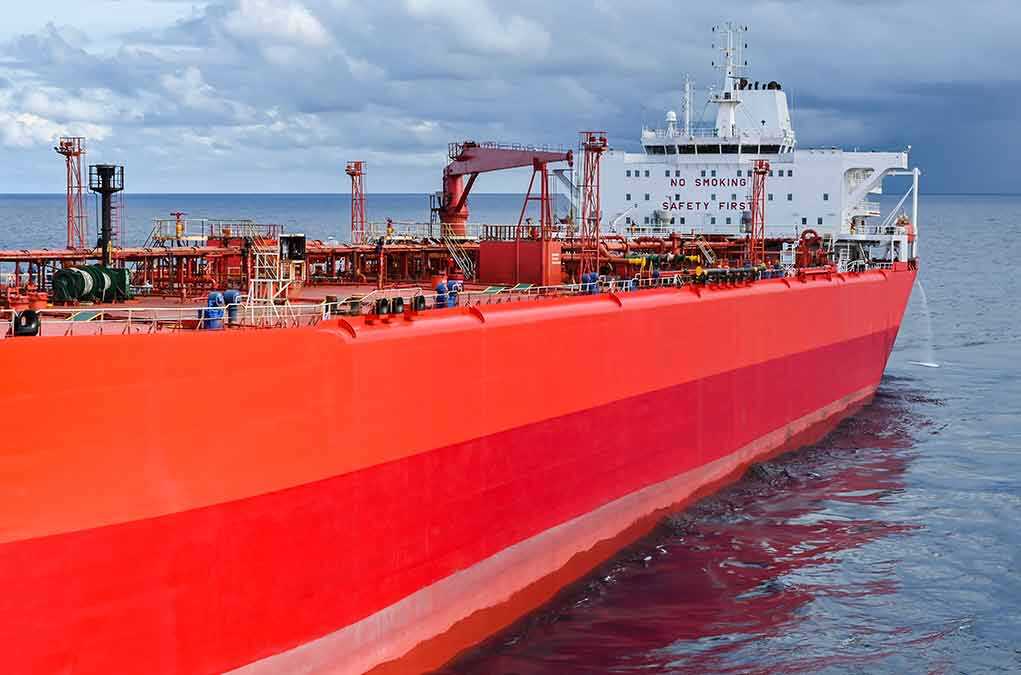
- Maritime risks have pushed some tankers to alter routes as threats rose around vital chokepoints.
- Energy markets remain sensitive as sanctions and pressure on Iran tighten.
Explosions Reported Near Kharg Island Oil Hub
Reuters, citing Iranian outlets, reported explosions near Kharg Island, a critical hub for Iran’s oil exports in the Gulf. Local reports said people heard blasts, but no smoke was seen from the island. Officials in Tehran did not make an immediate statement. The incident drew attention because Kharg Island is central to Iran’s energy revenue. The initial reports did not assign responsibility, and the exact origin of the blasts remained unknown at first mention.
Kharg Island matters for every driver and family budget. When oil flows face danger, prices can jump. Iran’s oil network has been under strain during a volatile year across the Gulf. Disruptions, even short ones, can force shippers and insurers to rethink risk. That raises costs that often roll down to American consumers. The news also lands as President Trump’s team maintains pressure on Iran’s regime to stop attacks and cut off funding for terror proxies.
Pattern Of Gulf Tensions And Maritime Risk
In recent months, Iranian and proxy actions threatened key waterways. Reports described explosions in or near major Iranian ports and islands after U.S. military strikes, showing how fast conditions can shift. Maritime warnings went up after tankers were hit or threatened around the Strait of Hormuz. Some vessels turned back or rerouted in the Red Sea as threats from Yemen’s Iran-backed Houthis expanded the danger zone. Each flare-up risked shipping delays and higher energy costs.
Energy flows through these chokepoints affect global supply. When threats grow, insurers raise premiums and captains choose longer routes. That means more days at sea and higher fuel use. The result is higher delivered prices. Families feel it at the pump and on home energy bills. The United States has worked to keep sea lanes open while signaling that strikes on ships and regional bases will draw a firm response. This stance aims to deter Tehran and protect global trade.
U.S. Policy Pressure And The Stakes For Energy Prices
The administration increased economic pressure on Iran this year. Actions included renewed strikes after Iranian or proxy attacks and steps that tightened oil sanctions. These measures target the regime’s revenue streams and military reach. Reuters reported broad efforts to ratchet up pressure, which limited Iran’s room to maneuver. Sanctions work best when allies support them, maritime patrols hold, and illegal oil movements face real costs and risks.
Markets respond to both fear and facts. Traders watch the Strait of Hormuz and Gulf terminals closely. Even rumors can move prices when supply feels tight. Earlier disruptions pushed risk ratings for shipping up, and that rippled into premiums and spot prices. While markets can absorb brief shocks, repeated scares add up. Americans want steady prices and safe seas. A strong, clear policy that protects ships and punishes attacks helps deliver both over time.
What Conservative Readers Should Watch Next
Readers should watch three signals. First, any confirmed damage to Kharg Island’s facilities would risk larger supply hits. Second, changes in tanker routes or insurance terms would show how shippers judge the danger. Third, official statements from Tehran and Washington will shape the next moves. If Iran or its proxies escalate, expect stronger U.S. actions to defend vessels and bases. If calm holds, routes may normalize and price pressure could ease.
This moment tests resolve and priorities. The United States must shield freedom of navigation, back our partners, and deny cash to hostile regimes. That approach supports American families through lower energy costs and safer trade routes. It also upholds peace through strength, not empty talk. As details from Kharg Island firm up, the core aim remains the same: keep oil moving, punish aggression, and protect the free flow of commerce without dragging America into endless conflict.
Sources:
youtube.com, reuters.com, devdiscourse.com