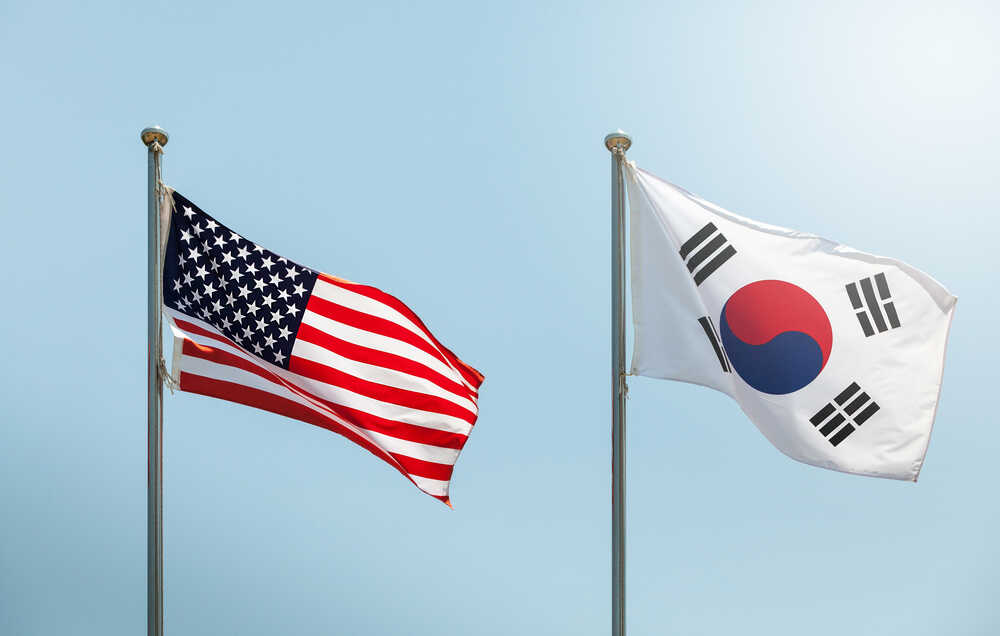
While America is stretched across multiple hotspots, the U.S. just launched a major spring war game with South Korea that North Korea routinely treats as a pretext to ramp up threats.
Story Snapshot
- Freedom Shield 2026 is scheduled for March 9-19 after a Feb. 25 announcement by U.S. and South Korean officials.
- The drill blends computer-simulated command-post training with “Warrior Shield” field components, with some field details still being coordinated.
- South Korea says about 18,000 of its troops will participate; the U.S. has not disclosed its troop numbers.
- Officials describe the exercise as defensive-oriented and focused on deterrence, not rehearsing a nuclear-strike response scenario.
Freedom Shield 2026 Begins Amid Heightened Strain With Pyongyang
U.S. and South Korean forces are proceeding with Freedom Shield 2026, the annual spring combined exercise set for March 9-19. South Korea’s Joint Chiefs of Staff and U.S. military officials announced the schedule on Feb. 25, describing the event as a defensive-oriented exercise intended to strengthen combined readiness. The timing matters because the allies face persistent North Korean nuclear and missile pressure and a diplomatic freeze that has limited meaningful engagement.
Freedom Shield is a command-post-focused event that also includes associated field training under the “Warrior Shield” label. U.S. Forces Korea public affairs director Col. Ryan Donald said the exercise will proceed in March and stressed the operational reality that large combined drills often require additional coordination because of their scale and sequencing. That coordination issue has been visible before, including postponed training evolutions during last year’s Ulchi Freedom Shield cycle.
What the Exercise Actually Tests—and What It Doesn’t
Reporting on the plan indicates the March drills will not run scenarios specifically built around responding to a North Korean nuclear strike. At the same time, the allies are still training to deter nuclear threats more broadly, a distinction that can get lost in propaganda headlines. The exercise is designed to test combined decision-making and operational integration, including joint, all-domain coordination shaped by lessons pulled from recent conflicts and evolving threat realities.
South Korea has said roughly 18,000 of its troops will participate, while the U.S. has not provided a public figure for American forces involved. That asymmetry in disclosed numbers is common in allied exercises, but it also leaves room for speculation online. What is confirmed is the structure: computer simulation-based command-post elements and accompanying field training events, with some field specifics still under active coordination between the two militaries.
Alliance Readiness vs. Political Friction in Seoul
Freedom Shield 2026 is unfolding alongside a sensitive strategic project: preparing for a conditions-based transfer of wartime operational control from the United States to South Korea, which Seoul has indicated it wants to complete before 2030. Exercises like this serve as practical rehearsal for combined command relationships and crisis procedures that would matter in a real contingency, especially when command authorities and responsibilities are being evaluated and adjusted over time.
Reports also describe behind-the-scenes friction about how much field training should be included. South Korea’s Lee administration has pursued diplomatic outreach and, according to reporting, Seoul proposed reducing field training for this year’s exercise—an idea Washington reportedly resisted. That tension reflects a real policy dilemma: deterring a heavily armed adversary requires readiness and credibility, but domestic political calculations can push leaders toward optics that look less provocative on paper.
North Korea’s Predictable Playbook—and Why Deterrence Still Matters
North Korea has long framed U.S.-South Korea exercises as “invasion rehearsals,” using them to justify its own military demonstrations and weapons testing. Freedom Shield 2026 lands as Pyongyang holds a major Workers’ Party congress, where Kim Jong Un is expected to outline military and foreign policy goals for the coming years. Analysts cited in reporting warn that Kim could use the moment to harden positions and demand concessions before talks resume.
US begins large military drill with South Korea while waging war in the Middle East https://t.co/77Oe4KJL2P
— The Independent (@Independent) March 9, 2026
For Americans watching from home—especially after years of global disorder—the core issue is whether deterrence remains credible when adversaries probe for weakness. The available reporting describes the drill as defensive and focused on readiness, but it also underscores uncertainty: U.S. troop totals are undisclosed, and final field-training details were still being coordinated. What is clear is the strategic signal: the alliance is operating, planning, and preparing despite diplomatic stalemates.
Sources:
South Korea and U.S. to conduct joint military exercise in March
South Korea, U.S. to hold Freedom Shield joint military exercise March 9-19
U.S. and South Korean militaries to hold joint drills in March as tensions linger with North Korea