President Trump’s slip of the tongue at Davos highlights ongoing challenges in Arctic geopolitics.
Story Highlights
- President Trump mistakenly referred to Greenland as “Iceland” during a major speech.
- The White House denied any confusion on the President’s part.
- Denmark increased military presence in Greenland following Trump’s remarks.
- Protests erupted in Greenland and Denmark opposing potential US acquisition.
Trump’s Davos Speech Sparks Controversy
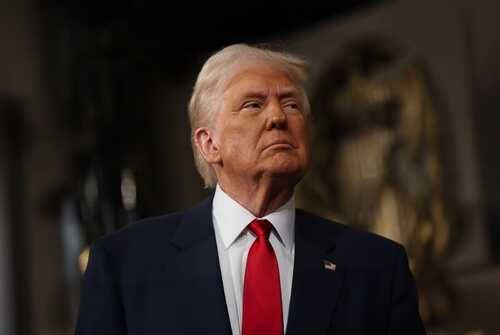
On January 21, 2026, President Donald Trump addressed world leaders at the World Economic Forum in Davos, Switzerland. During the speech, he repeatedly referred to Greenland as “Iceland,” despite his administration’s ongoing push to acquire the Danish territory. The White House, through Press Secretary Karoline Leavitt, quickly denied any confusion, maintaining that Trump’s remarks were intentional and strategic.
The gaffe highlighted Trump’s continued interest in Greenland, a region of strategic importance due to its proximity to the United States, Russia, and China. Despite the verbal misstep, Trump’s administration has been clear about its intentions, citing security concerns in the Arctic Circle. This incident, however, has added fuel to the fire of international tensions, particularly with Denmark, the sovereign authority over Greenland.
Watch:
Denmark’s Response and International Tensions
Denmark reacted promptly to Trump’s statements by increasing its military presence in Greenland and requesting assistance from NATO allies. This move underscores the seriousness with which Denmark views the potential acquisition and its commitment to maintaining sovereignty over Greenland. Sweden has already responded by sending troops to support Denmark, highlighting the strain within NATO as member countries navigate the complexities of Trump’s demands.
Additionally, large protests erupted in both Greenland and Denmark, with citizens expressing their opposition to any US attempts to acquire the territory. This public outcry reflects the deep-seated desire for Greenland to maintain its semi-autonomous status and avoid becoming a pawn in global geopolitical games.
Implications for US Foreign Policy
Trump’s Davos remarks have significant implications for US foreign policy, particularly in terms of Arctic geopolitics. By suggesting military action as a potential means of acquiring Greenland, Trump has challenged post-World War II international norms regarding territorial acquisitions. This rhetoric not only strains relations with Denmark and other NATO allies but also sets a precedent that could influence US strategic interests in the Arctic moving forward.
Despite the backlash, Trump’s administration remains committed to its vision of acquiring Greenland. The strategic value of the territory, coupled with the potential access to Arctic resources, ensures that this issue will remain a focal point in US foreign policy discussions. As the situation develops, it will be crucial for the US to balance its ambitions with diplomatic considerations to avoid further international discord.
Republican Defends Trump Mixing Up Greenland With Iceland, Chalks It Up to 'His Brand' — via @CharlieNash & @Mediaite https://t.co/vqJ4eQWv2Z
— MrTomDurante (@MrTomDurante) January 22, 2026
Sources:
White House Responds After Trump Repeatedly Refers to Greenland as ‘Iceland’ in Davos
Trump Davos Speech: Greenland-Iceland Confusion