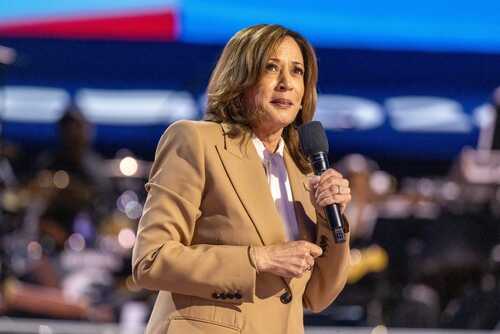
Former Vice President Kamala Harris’s involvement in WNBA league matters raises questions about political overreach in sports governance.
Story Highlights
- Kamala Harris hosted WNBA player Napheesa Collier to discuss league governance.
- The meeting focused on conversations about leadership under Commissioner Cathy Engelbert.
- Public debate grows over political influence in sports affairs.
- Collier’s outspoken comments spotlight athlete rights and league management.
Vice President’s Role in WNBA Affairs
Former Vice President Kamala Harris recently engaged in a discussion with WNBA player Napheesa Collier, focusing on league governance issues and player advocacy. The meeting, reportedly centered on a conversation involving WNBA Commissioner Cathy Engelbert, has sparked discussions about the level of political involvement in sports. Critics argue that such interactions might blur the lines between political agendas and sports management, sparking concerns over potential overreach.
Collier, known for her outspoken stance on player rights, has openly criticized league leadership, bringing attention to ongoing issues regarding player compensation and working conditions. Her meeting with Harris highlights the heightened political interest in athlete advocacy and the role of high-profile figures in amplifying these concerns. The situation underscores tensions between players seeking reforms and league authorities maintaining stability.
Watch: Kamala Harris hosts WNBA player to discuss alleged conversation with league commissioner
Impact on League Governance
The WNBA, with its history of player activism, finds itself at a crossroads where political figures are becoming increasingly involved in league affairs. This development could lead to significant shifts in how the league addresses player concerns and manages its public image.
Stakeholders, including the WNBA Players Association and league executives, are navigating a complex landscape where political influence can either aid or complicate efforts to address player grievances. The absence of an official statement from Commissioner Engelbert further complicates the narrative, leaving room for speculation and debate about the commissioner’s stance on these issues.
Potential Implications for Women’s Sports
The interaction between Harris and Collier could set a precedent for future engagements between political leaders and sports figures. In the short term, the attention drawn to WNBA governance may lead to increased advocacy for player rights and potential policy changes within the league. Long-term implications might include a more politically engaged sports environment, where athlete concerns become central to discussions about league management.
While some view political engagement as necessary for advancing athlete rights, others caution against the risks of politicizing sports governance. The ongoing debate highlights the complexities of balancing player demands with organizational stability, as political involvement reshapes the landscape of women’s sports.
Sources: