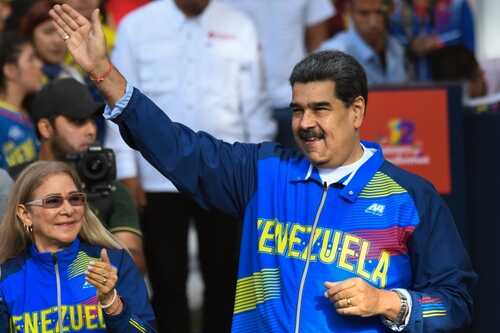
U.S. forces captured Venezuela’s socialist dictator Nicolás Maduro in a daring raid yesterday, delivering long-overdue justice against a tyrant who ravaged his nation through rigged elections and brutal decree rule.
Story Snapshot
- U.S. military operation on January 3, 2026, extracted Maduro from Caracas, ending his 13-year authoritarian reign.
- Maduro rose from bus driver to power via Hugo Chávez’s socialist machine, seizing control through electoral fraud and institutional capture.
- Decades of decree powers, price controls, and disputed votes crushed Venezuela’s economy, sparking hyperinflation and mass exodus.
- President Trump’s decisive action shifts from failed sanctions to direct intervention, prioritizing American security and regional stability.
Maduro’s Rise from Bus Driver to Dictator
Nicolás Maduro Moros began as a bus driver in Caracas, born November 23, 1962. He entered politics through socialist unions, winning a National Assembly seat in 2000 for the Capital District. Under Hugo Chávez, Maduro climbed rapidly: National Assembly President from 2005-2006, Foreign Minister from 2006-2012, and Vice President in 2012-2013. Chávez designated him successor before dying March 5, 2013. Maduro assumed temporary powers immediately after.
Narrow Victory and Immediate Power Grab
On April 14, 2013, Maduro won Venezuela’s special presidential election by a razor-thin 1.5% margin over opposition leader Henrique Capriles. Capriles demanded a recount, rejecting the results as fraudulent, but Maduro took office April 19 after a promised audit. Starting October 2013, Maduro sought enabling laws to rule by decree against claimed corruption and “economic war.” From November 19, 2013, to November 19, 2014, he imposed price, wage, and profit controls, extending this pattern through 2015-2017.
The rise and fall of Venezuela's ruthless leader Nicolás Maduro: From bus driver to dictator | New York Post https://t.co/wvNCZyEJR8
— Homolander (@HomolanderOnX) January 4, 2026
Institutional Capture and Fraudulent Reelections
Opposition won National Assembly control December 6, 2015. Maduro countered January 15, 2016, declaring economic emergency; the Supreme Tribunal granted decree powers and briefly dissolved the legislature in March 2016 before international backlash forced reversal. In 2018, Maduro claimed reelection with 68% of votes amid widespread fraud allegations. He swore in January 10, 2019; the OAS deemed it illegitimate. Juan Guaidó declared himself interim president January 23, 2019, sparking a four-year crisis. Maduro repeated unproven victory claims in 2024.
These maneuvers eroded democratic institutions, packing courts and bypassing legislatures—hallmarks of socialist overreach that conservatives have long warned against, mirroring threats to limited government here at home.
Dramatic U.S. Intervention Ends the Tyranny
On January 3, 2026, U.S. forces launched a military operation in Caracas, capturing and extracting Maduro, abruptly terminating his 13-year rule. This bold move escalated beyond sanctions, addressing Venezuela’s humanitarian collapse under hyperinflation, shortages, poverty, and mass emigration driven by Maduro’s failed controls. The raid creates a power vacuum but removes a key enabler of regional instability and illegal migration pressures on America’s borders.
Maduro’s fall vindicates strong U.S. leadership against globalist hesitancy, protecting American interests and inspiring oppressed peoples. Institutions like the National Assembly now face restoration amid contested authority, but the tyrant’s removal stands as a victory for liberty over socialism’s predictable ruin.
Watch:
Sources:
Presidency of Nicolás Maduro – Wikipedia
Venezuela: The presidency of Nicolas Maduro – Britannica
Nicolás Maduro Moros – United States Department of State
US-Venezuela timeline: from sanctions to military action – Le Monde