America First: Trump administration’s bold withdrawal from the World Health Organization sparks a global debate on safety and sovereignty.
Story Highlights
- The US formally exits the WHO, citing politicization and financial burden.
- WHO claims the withdrawal endangers global health security.
- US $278 million debt to WHO remains unpaid, complicating exit.
- Critics argue the move hampers flu vaccine development and pandemic response.
US Withdrawal and Its Implications
On January 20, 2026, the United States officially withdrew from the World Health Organization (WHO), a move rooted in President Trump’s ongoing critique of the organization. Accusations of bias, politicization, and mishandling of the COVID-19 pandemic were central to the administration’s decision. The Trump administration argued that the WHO’s decisions have been detrimental to US interests, prompting the US to halt its funding in 2025, leaving a staggering $278 million in unpaid dues.
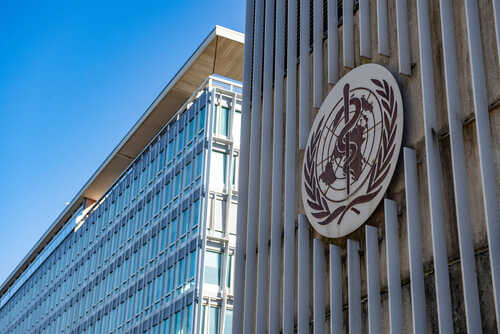
The WHO, in response, has labeled the US exit as a threat to global health security. The organization emphasized its role in global pandemic response and defended its actions during the COVID-19 crisis, highlighting successes such as the eradication of smallpox. WHO officials expressed concern over the loss of US contributions, which comprised approximately 20% of its budget, raising questions about future global health initiatives and the ability to respond to pandemics effectively.
The divorce is final. 🇺🇸 The WHO has officially responded to the U.S. notification of withdrawal, and the language is startlingly blunt. Calling the move a decision that makes the world "less safe," the WHO is now fighting back against claims they "tarnished" American interests.… pic.twitter.com/KTh0S99ij8
— Psyll (@psyll_world) January 25, 2026
Reactions from Stakeholders
The decision has drawn a spectrum of reactions from various stakeholders. The US government maintains its stance on prioritizing an “America First” approach, focusing resources domestically rather than funding international bodies perceived as inefficient. However, critics, including the Infectious Diseases Society of America and Doctors Without Borders, have voiced concerns, arguing that the withdrawal undermines global health efforts and compromises the ability to track and respond to infectious diseases like influenza.
Infectious disease experts warn that the US’s exit from the Global Influenza Surveillance system could severely impact flu vaccine development, posing risks not only to the US but to global health security. Meanwhile, proponents of the withdrawal argue that it frees the US from a “bloated” international bureaucracy, allowing for a more targeted and efficient allocation of resources.
Watch:
Long-Term Consequences and Future Prospects
While the Trump administration has launched the “America First Global Health” program to replace WHO participation, concerns linger about the long-term implications of this shift. The WHO’s rebuttal stresses the importance of US involvement in multilateral health efforts, hoping for a future re-engagement with the organization. The US’s unpaid dues and ongoing debates over the WHO’s role in global health governance are likely to influence international relations and public health policies in the years to come.
As the world watches these developments unfold, the debate highlights the tension between national interests and global collaboration. The Trump administration’s actions reflect a broader skepticism towards international organizations, advocating for national sovereignty and fiscal responsibility. Whether this strategy will bolster or hinder US and global health security remains a point of contention among policymakers and health experts.
Sources:
US withdrawal from WHO ‘risks global safety’, agency says in detailed rebuttal
US formally withdraws from World Health Organization, leaving debt
WHO statement on notification of withdrawal of the United States
US withdrawal from WHO ‘risks global safety’, agency says detailed rebuttal