
Iranian-Americans gathered steps from the White House to honor over 3,000 protesters brutally murdered by Iran’s theocratic regime.
Story Highlights
- Dozens held candlelight vigil in Lafayette Square displaying photos of 3,000+ victims killed by Iranian regime
- Organizers reject monarchy restoration, demanding grassroots people’s revolution against 47-year clerical rule
- Trump’s intervention pressure reportedly stopped planned execution of 800 protesters
- Death toll may reach 20,000 with up to 50,000 arrests during week-long internet blackout
Vigil Honors Victims of Regime Violence
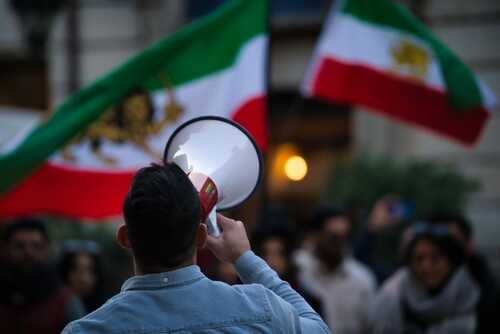
On Friday evening, Iranian-Americans organized a solemn candlelight vigil in Lafayette Square to commemorate the thousands killed during Iran’s brutal crackdown on anti-government protests. The Organization of Iranian-American Communities displayed over 70 photographs of victims alongside a large memorial sign honoring more than 3,000 confirmed deaths. Participants marched while chanting “Regime change in Iran by the people of Iran,” emphasizing their support for grassroots resistance rather than external intervention.
Majid Sadeghpour, OIAC Political Director who lost his brother to regime execution in 1988, described Iran as standing at the “precipice of change.” Fellow organizer Shirin Nariman, a torture survivor arrested at age 16, rejected monarchy restoration efforts, stating their goal involves “kicking out the turban” through democratic means. These personal testimonies highlight the deep generational trauma inflicted by Iran’s theocratic system on families both inside and outside the country.
Watch:
Massive Death Toll Emerges Despite Information Blackout
Human rights organizations report verified deaths of at least 3,428 protesters, though the actual toll likely reaches between 5,000 to 20,000 due to Iran’s week-long internet blackout designed to conceal the crackdown’s scale. The regime implemented comprehensive information warfare, shutting down communications to prevent documentation of atrocities while security forces conducted house-to-house arrests. Estimates suggest 3,000 to 50,000 people have been detained, creating a climate of terror aimed at crushing dissent permanently.
The protests began December 28, 2025, with Tehran bazaar closures over economic grievances before escalating into demands to overthrow the clerical system established after 1979. This represents the latest in a series of uprisings including the 2022 Mahsa Amini protests and 2019 fuel price demonstrations, all met with lethal force. The current movement’s scale and persistence suggest growing rejection of theocratic rule among ordinary Iranians seeking fundamental political change.
Trump Administration Prevents Mass Executions
President Trump’s firm warnings against executing protesters appear to have deterred the regime from implementing planned mass hangings. Trump thanked Iran for canceling what he described as “800 hangings,” demonstrating how American strength can protect innocent lives when properly applied. This represents a stark contrast to previous administration policies that failed to deter Iranian aggression through weakness and appeasement strategies.
The administration imposed targeted sanctions on officials like Ali Larijani while maintaining military pressure through strategic asset deployment. Unlike the previous administration’s failed diplomatic overtures, Trump’s approach combines economic pressure with credible deterrence to protect protesters while avoiding unnecessary military escalation. This measured response reflects conservative principles of peace through strength rather than the globalist interventionism that previously destabilized the region.
Sources:
DC holds vigil for Iranian protesters
Iranian leader acknowledges thousands killed in anti-government protests
Deadly crackdown appears to have quashed Iran protests, residents say