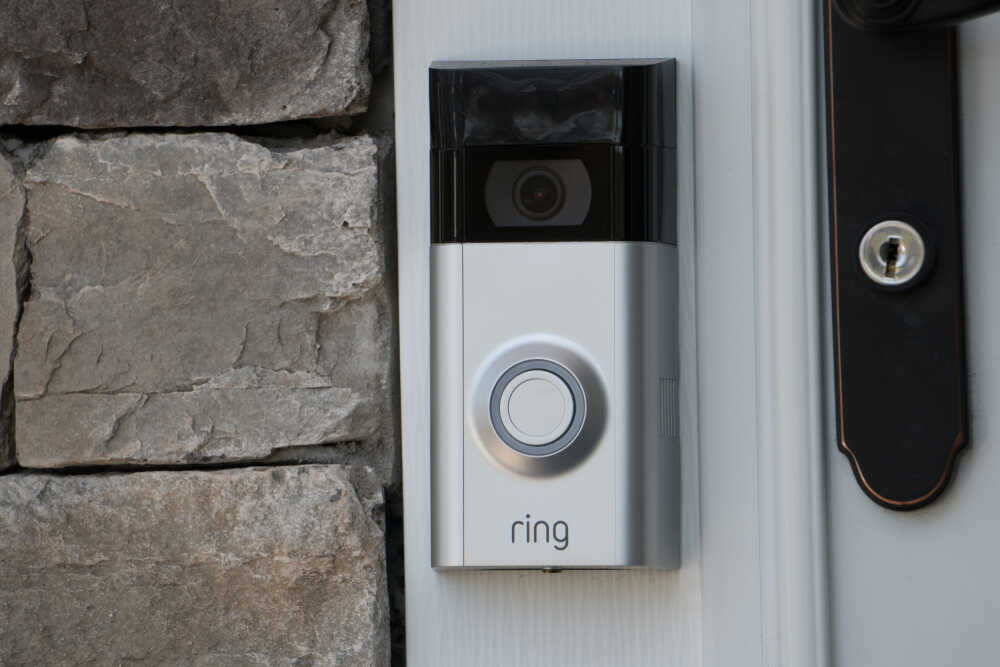
A troubling surge in neighborhood surveillance disputes reveals how affordable security cameras are turning American homes into privacy battlegrounds, with courts now forced to settle conflicts between property rights and constitutional privacy expectations.
Story Snapshot
- Security camera disputes escalated post-2020 as affordable Ring and Nest devices proliferated, enabling neighbors to monitor adjacent properties without consent
- Courts consistently rule cameras capturing fenced backyards, home interiors, or private areas violate reasonable privacy expectations, with fines reaching $250,000
- No federal law governs residential surveillance; state-by-state regulations create confusion, leaving homeowners vulnerable to invasive monitoring
- Legal precedents prioritize privacy over security claims when cameras extend beyond the installer’s property boundaries
Privacy Rights Collide With Security Technology
The explosion of DIY security cameras transformed American neighborhoods into surveillance zones, triggering legal battles between homeowners defending their privacy and neighbors claiming security needs. Cases like the 2014 Massachusetts dispute in Polay vs. McMahon established critical boundaries: cameras invading home interiors or capturing private yards exceed lawful property protection. Courts from Germany to New York consistently reject defenses that prioritize security over reasonable privacy expectations, particularly when cameras target fenced areas or residential interiors. This judicial consensus affirms that property rights do not authorize unchecked surveillance of neighbors.
Discovery Moments Expose Surveillance Overreach
Homeowners typically discover unwanted surveillance through direct observation of high-mounted cameras angled toward their property, often positioned 12-15 feet high to maximize coverage. The revelation frequently follows prior disputes, such as unauthorized photography, escalating to video monitoring of access paths, backyards, or windows. Night-vision capabilities intensify privacy violations, capturing activities invisible during daylight hours. When confronted, camera installers routinely refuse voluntary adjustments, forcing victims to pursue court injunctions. These “discovery moments” highlight a disturbing pattern: neighbors weaponizing security technology to monitor rather than protect, undermining the trust essential to community cohesion.
Legal Framework Lacks Federal Protections
The absence of federal surveillance laws leaves Americans exposed to inconsistent state regulations governing residential cameras. Massachusetts bans non-consensual audio recording and private-area visuals, while New York’s 2017 statute criminalizes backyard filming with harassing intent. Privacy rights derive from Supreme Court interpretations of Amendments 1-9, establishing implied protections against intrusion, yet no nationwide standard exists. This patchwork forces homeowners to navigate complex state-specific statutes, often requiring attorneys to issue demand letters before litigation. The regulatory void empowers those willing to exploit legal ambiguities, disadvantaging citizens seeking straightforward constitutional privacy protections.
Courts Enforce Proportionality Standards
Judicial rulings emphasize proportionality: cameras must serve legitimate security purposes without extending surveillance beyond the installer’s property. Recent German district court decisions mandated camera repositioning when devices captured neighboring access paths, applying fines up to 250,000 euros for non-compliance. U.S. precedents similarly reject broad surveillance claims, distinguishing lawful monitoring of public-facing areas from unlawful intrusion into fenced yards or homes. Legal experts stress that intent matters; security purposes do not justify harassment through constant observation. Courts balance property rights with privacy expectations, consistently siding with victims when surveillance exceeds reasonable boundaries, setting precedents that protect individual liberty against technological overreach.
Constitutional Concerns and Community Impact
Unchecked residential surveillance threatens Fourth Amendment principles by normalizing warrantless observation of private activities within one’s property. The trend erodes reasonable privacy expectations, a cornerstone of constitutional protections against government and private intrusion. Short-term impacts include neighbor feuds, legal costs, and psychological distress from feeling perpetually watched. Long-term consequences reshape community norms, potentially deterring outdoor family activities in surveilled yards. Homeowners associations increasingly mediate pre-litigation disputes, recognizing surveillance conflicts destabilize neighborhoods. The smart home industry faces pressure to integrate privacy safeguards, such as adjustable camera fields respecting property lines. Conservative principles demand limited government intrusion; ironically, private surveillance fills this void, necessitating judicial intervention to preserve privacy rights absent federal legislation.
Sources:
Total Surveillance by Neighbors: What to Do When Cameras Have Everything in View
Can My Neighbor’s Security Camera Point at My House?
Can a Neighbor Legally Point a Security Camera at My Property?
Can My Neighbor Record Me on My Property? Know Your Rights