
How does a man who pocketed millions from city taxpayers and rakes in top-dollar speaking fees end up owing six figures to the IRS—while preaching accountability from his seat on New York’s City Council?
At a Glance
- Yusef Salaam, Harlem’s Councilman and Central Park Five exoneree, owes $100,000–$250,000 in unpaid federal taxes.
- Salaam has earned millions from a city settlement and lucrative speaking gigs, yet claims to be “in the process of repaying all taxes.”
- The Councilman wields oversight over the NYPD as Chair of the Public Safety Committee, raising questions about his own accountability.
- Critics argue the revelation undermines trust and highlights double standards for public officials with activist backgrounds.
Councilman Rich in Rhetoric—But Also in Unpaid Taxes
Yusef Salaam’s path to public office is the stuff of Hollywood scriptwriters: wrongly convicted as a teenager in the infamous Central Park jogger case, exonerated years later, then catapulted to the New York City Council as Harlem’s champion for justice reform. But this week, the curtain was yanked back on a less heroic subplot—Salaam’s 2024 financial disclosure revealed he owes between $100,000 and $250,000 in unpaid federal taxes. This, while he enjoys income streams most New Yorkers would envy: a hefty cut from the city’s $41 million settlement to the Exonerated Five (Salaam’s share was over $7 million) and top-tier speaking fees, with some engagements netting him up to $40,000 a pop.
Salaam’s office is mum on the specifics, but his disclosure form claims he’s “in the process of repaying all taxes.” There’s no word on how long the IRS has been waiting or whether penalties have stacked up. Meanwhile, the man who made his name crusading for transparency and justice now faces a glaring question: how does a public official with this much cash on hand fall behind on his basic obligations? And what does it say about the standards to which our so-called reformers hold themselves?
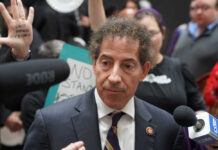
Exonerated Central Park Five member Yusef Salaam wins New York City Council seat
Accountability for Thee, Not for Me?
As chair of the Council’s Public Safety Committee, Salaam oversees the NYPD and lectures about accountability in government—often directing his ire at police misconduct and systemic injustice. His personal finances, however, tell a different story. While New Yorkers struggle under the weight of sky-high taxes and inflation—thanks in large part to years of reckless government spending and priorities that put everyone but citizens first—Salaam’s unpaid tax bill sticks out like a sore thumb. The IRS, of course, can’t comment on individual cases due to privacy laws. No official action or sanction has been announced by the City Council, either. For everyday taxpayers who would never get away with this kind of neglect, the silence is deafening—and infuriating.
The optics are especially rich when you consider Salaam’s history of criticizing law enforcement for failing to follow the rules. Now, the tables have turned. Should the person in charge of holding others to account get a pass on his own lapses? If a city employee or cop tried to get away with a quarter-million in unpaid taxes, you can bet heads would roll. But for the activist-turned-politician class, there’s always an excuse, always a process, always a way to kick the can down the road.
Activism, Wealth, and the “Victim” Narrative
Salaam’s defenders are quick to paint any scrutiny as an attack on his background or activism. Yes, Salaam was wronged by the system as a teenager. Yes, the Central Park Five case remains a tragic stain on American justice. But victimhood does not give anyone a blank check to ignore the responsibilities that come with public office—especially not when you’re cashing checks from the very city you now claim to serve. This is not a question of re-litigating the past; it’s about basic fairness and the standards we demand from those entrusted with power.
For Harlem residents who believed Salaam’s promises of reform, the revelation is a gut punch. It risks eroding public trust and gives ammunition to critics who argue that the “progressive” movement is more about virtue signaling than actual good governance. For the broader criminal justice reform movement, having a high-profile leader mired in financial controversy is hardly helpful. And for every law-abiding New Yorker who pays their taxes on time—even as city services decline and officials bungle the basics—it’s yet another example of the double standard that has infested our politics for far too long.