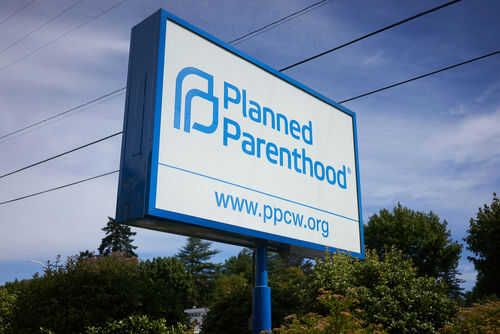
Planned Parenthood shutters two Indianapolis clinics amid funding cuts, delivering a tangible win for pro-life conservatives weary of taxpayer dollars fueling abortion giant.
Story Highlights
- Two Indianapolis health centers close in-person services April 3-6, 2026, consolidating at Georgetown Road due to Medicaid cuts and rising costs.
- Pro-life advocates see this as a victory, reducing Planned Parenthood’s physical footprint in Indiana despite the organization’s financial restructuring claims.
- Shift to telemedicine highlights vulnerabilities after years of defunding efforts, aligning with conservative pushes for limited government spending.
- Low-income patients face reduced access, but long-term efficiency may curb expansion of controversial services.
Announcement Details
Planned Parenthood of Great Northwest, Hawai’i, Alaska, and Kentucky announced the merger of three Indianapolis health centers on March 19, 2026. Midtown and Southside locations end in-person services around April 3-6, 2026. Operations consolidate at the Georgetown Road clinic, which expands availability immediately. The decision addresses funding cuts to Medicaid, escalating healthcare costs, and growing telemedicine demand. Patients receive redirection via the organization’s website resources.
Financial Pressures Drive Closures
Medicaid reductions and operational costs strain Planned Parenthood’s multiple sites in Indianapolis. Officials state they make “difficult but necessary adjustments” as patient needs shift toward virtual care. This mirrors national trends of consolidations following defunding. Indiana’s history includes 2013 and 2017 legislative attempts to cut funding, prompting prior service shifts. No direct link to abortion bans appears; focus remains on financial sustainability.
Georgetown Road absorbs all services, potentially easing some access issues but centralizing care in north Indianapolis. South and central neighborhoods lose nearby options, impacting low-income and Medicaid-dependent residents most.
Pro-Life Implications in Broader Context
Conservatives view these closures as a pro-life advancement, shrinking Planned Parenthood’s presence despite the merger framing. Post-Roe v. Wade (2022), debates intensify over reproductive funding. Indiana’s restrictive laws since 2011, like admitting privileges requirements, add pressure, though current cuts stem from fiscal sources. This event underscores defunding’s impact without statewide shutdowns.
Economic savings emerge through consolidation, while social shifts favor telehealth. Politically, it fuels narratives of accountability for taxpayer funds, resonating with families prioritizing life and fiscal responsibility over government overreach.
Long-Term Effects and Limitations
Short-term, Midtown and Southside patients travel farther or use telemedicine, risking service gaps. Long-term, efficiency may expand virtual offerings but expose ongoing funding vulnerabilities. No pro-life groups directly involved; Planned Parenthood acts unilaterally. Data limits broader Indiana closure claims— this targets Indianapolis only. Minor source discrepancies on exact dates (April 3 vs. 6) reflect reporting variations.
Sources:
Planned Parenthood to merge 3 Indianapolis health centers due to funding cuts
Planned Parenthood to close 2 Indianapolis sites, consolidate at Georgetown clinic
Planned Parenthood closing two Indianapolis clinics, consolidating services