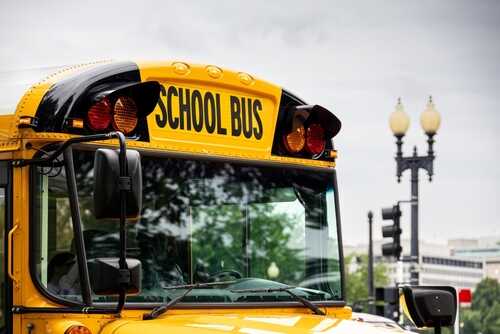
New York’s green school bus mandate is now leaving children shivering in sub-freezing temperatures.
Story Highlights
- Parents in western New York say state-mandated electric school buses are leaving kids freezing during brutal winter rides.
- Heaters pull from the same batteries that power the buses, forcing drivers to choose between warmth and range.
- New York’s 2027 electric-only purchase mandate and 2035 zero-emission deadline override local control and strain budgets.
- Voters across the state are already pushing back, rejecting expensive electric bus plans in recent school budget votes.
Parents Sound the Alarm Over Freezing Bus Rides
Parents in the Lake Shore Central School District in western New York say their children are coming home chilled to the bone after rides on state-mandated electric school buses during harsh winter weather. Multiple families report kids stepping off the bus with red faces, numb hands, and clothes that never warmed up during 20- to 30-minute routes. One grandmother described her grandson arriving home after a ride in 23-degree conditions and telling her the driver kept the heat off to save the battery.
Families say this is not an isolated mistake but a pattern tied directly to how these buses are designed and mandated to operate. The heaters in the electric buses draw power from the same battery pack that propels the vehicle, meaning every minute of warm air shortens the bus’s effective range. Parents report drivers openly acknowledging they are rationing heat to be sure they can finish their routes, leaving children bundled in coats and still shivering by the time they reach home.
Watch:
Mandates First, Children Second in Albany’s Green Push
New York’s political class created this situation by ordering that all new school bus purchases must be electric by 2027, with every school bus on the road required to be zero-emission by 2035. That top-down mandate, sold as an environmental victory, effectively stripped local districts of real choice. Lake Shore now runs 23 electric buses alongside traditional models, not because parents demanded them, but because Albany tied grants and future compliance to aggressive electrification deadlines.
State agencies insist the technology can handle the cold, arguing that as long as routes are planned carefully, batteries have enough capacity to run both the motor and the heater. On paper, those assurances sound tidy; in practice, parents are watching their kids ride home without heat because drivers fear running out of charge.
New York Parents Warn Electric School Buses Are Leaving Their Kids Out in the Cold
https://t.co/abdwR4jgy6— Townhall Updates (@TownhallUpdates) December 24, 2025
Breakdowns, Delays, and the Cost to Taxpayers
Beyond the cold, parents in Lake Shore also point to reliability problems that would never be tolerated if this were a purely local choice instead of a state-driven crusade. In one recent incident, an electric bus broke down mid-route, leaving a student waiting outside for roughly 35 minutes and delaying arrival by more than half an hour. Families describe frantic calls to the transportation office and kids stranded longer at bus stops in winter weather, all while officials insist the system is working as intended.
Those performance issues come on top of steep financial costs. Analyses of New York’s mandate estimate roughly $9 billion in higher expenses by 2035 when comparing electric buses to traditional fuel models, even after counting federal and state subsidies. Individual districts report premiums over $260,000 per bus, with grants covering only part of the difference and leaving taxpayers on the hook for infrastructure, chargers, and ongoing utility fees.
Voters Push Back as Local Control Reasserts Itself
School budget votes in 2025 show that New Yorkers are not blindly buying into Albany’s timeline. Districts across the state either rejected electric bus propositions outright or slashed them back dramatically once full costs became clear. In some systems, boards paused expansion plans after realizing federal grants were uncertain and state incentives would not cover infrastructure. Others approved only a fraction of proposed electric purchases, signaling deep skepticism among taxpayers who must fund the long-term bills.
For constitution-minded conservatives who value limited government and local control, the lesson is straightforward. Decisions about how to transport kids safely in brutal winters belong with parents and school boards, not distant regulators chasing green headlines.
Sources:
New York parents say kids freeze on mandated electric school buses during brutal winter weather
Push for electric school buses seems to be losing power