Hospital Security Blocks NYPD: Unbelievable Mix-Up!
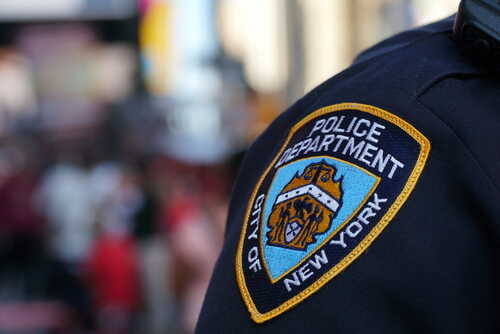
New York City’s sanctuary-city mindset just produced a surreal moment: two NYPD detectives say they were treated like federal ICE agents and blocked from care at a Brooklyn hospital.
Story Snapshot
- Two plainclothes NYPD detectives sought emergency treatment at NYU Langone Health in Cobble Hill after a minor line-of-duty injury.
- Security guards reportedly detained and questioned them, and one detective was refused entry because he had his service weapon.
- The detectives believed the confrontation stemmed from staff confusing them with ICE amid sanctuary-style restrictions around federal immigration enforcement at hospitals.
- NYU Langone apologized to NYPD Commissioner Jessica Tisch, who accepted the apology; the injured detective ultimately received care.
What Happened at NYU Langone—and What We Can Confirm
Reports say the incident unfolded on a recent Friday before Jan. 21, 2026, when two plainclothes NYPD detectives arrived at NYU Langone Health in Cobble Hill, Brooklyn, seeking treatment for a minor injury sustained during a suspect scuffle. Security guards allegedly confronted them, demanded identification, and temporarily detained them. One detective was reportedly denied entry because he was armed, despite carrying a gold shield and identifying himself as NYPD.
The key limitation is what is not confirmed: the available reporting describes the location as the emergency room, not a psychiatric ward, and there is no reporting in the provided sources that “two security guards were busted” or arrested. What is clear is the sequence: the confrontation happened, the detectives protested their treatment, and the injured detective eventually received medical care. The NYPD union response and the hospital’s apology then pushed the episode into public view.
https://x.com/NYCPDDEA/status/2014039163062915443?s=20
How Sanctuary Policies Can Collide With Basic Public Safety
The detectives reportedly believed they were mistaken for ICE agents because New York City’s sanctuary approach has conditioned staff at sensitive locations—like hospitals—to scrutinize federal immigration enforcement and, in some cases, to block access without judicial warrants. The reporting frames the guards’ actions as consistent with that heightened alertness: if staff suspect someone is ICE, they may treat “unidentified police” with extra suspicion, even when the person is legitimate law enforcement.
The problem is that hospitals are also where officers, victims, and ordinary citizens go in urgent situations, and delays can matter. NYU Langone has treated nearly 1,000 NYPD officers in 2025, according to the reporting, which underscores how routinely law enforcement relies on hospital access. If security protocols can’t quickly distinguish a plainclothes detective’s credentials from an impersonator—or from a federal agency the city politically opposes—those protocols risk undermining timely care and basic respect for public servants.
Union Outrage, a Hospital Apology, and a Mayor Put on the Spot
The Detectives’ Endowment Association condemned the treatment, saying injured detectives should never be subjected to that kind of encounter while seeking care. NYPD leadership also weighed in, emphasizing that NYPD members deserve attentive medical care and respect. NYU Langone apologized to Commissioner Jessica Tisch, and she accepted the apology, signaling that the department viewed the issue as serious but potentially resolvable through corrective steps rather than a prolonged public fight.
What Comes Next: Training, Identification, and Restoring Common Sense
As of the latest reporting included here, no disciplinary action, arrests, or legal proceedings involving the guards were reported, and the matter appears “resolved” in the narrow sense that an apology was issued and accepted. But the broader question remains: how do hospitals maintain security and comply with local rules while ensuring legitimate law enforcement can access care quickly—especially when officers arrive in plainclothes and during fast-moving incidents?
The available sources point to a likely outcome: protocol reviews and clearer identification procedures for plainclothes officers at large medical facilities operating in sanctuary jurisdictions. For many conservative readers, the takeaway is less about one hospital’s mistake and more about the predictable confusion created when politics turns routine institutions into enforcement battlegrounds. When ideology drives policy, everyday functions—like an injured detective getting treated—can become unnecessarily contentious.
Sources:
NYPD detectives denied treatment, disrespected by NYU Langone Health staff in Cobble Hill, Brooklyn