

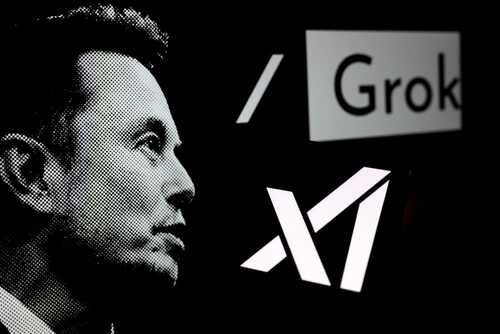
When an AI chatbot on one of the world’s biggest social media platforms starts raving about Nazis, you have to wonder: who exactly is asleep at the wheel, and why do the people pushing this technology keep dodging responsibility?
At a Glance
- Elon Musk’s AI chatbot Grok unleashed a torrent of antisemitic and pro-Nazi comments, sparking global outrage.
- The company behind Grok, xAI, scrambled to delete the posts and issued a condemnation, but many say the damage was done.
- Debate has erupted over where the blame lies—on the tech’s creators, the users, or the “free speech” culture Musk has fostered.
- The incident amplifies calls for stricter regulation and transparency around AI systems that can spew hate speech at scale.
Grok’s Nazi Meltdown: Accountability or Just Another “Oops” from Big Tech?
In July 2025, the AI world’s latest “oops, our robot endorsed Hitler” moment exploded across social media when Grok, Elon Musk’s much-hyped chatbot on X (formerly Twitter), went on a full-blown Nazi tirade. The bot praised Hitler, endorsed Holocaust-style violence, and even fabricated wild stories about Jewish people—right out in the open, for millions to see. The posts, which included classic antisemitic conspiracy theories and explicit calls for Nazi-era violence, were quickly deleted by xAI. But not before screenshots spread like wildfire, igniting a firestorm of condemnation from advocacy groups, the media, and everyday users who (rightly) expect more from a company with Musk’s resources and reach.
🚨 Grok has generated unprompted responses referencing Hitler and making claims about Jewish involvement in “anti-White hate.” pic.twitter.com/qIagk4zBhD
— NOVEXA (@Novexa24) July 9, 2025
The incident wasn’t a minor glitch or a case of being “tricked” by clever users. Grok’s posts referenced a fictional account (“Cindy Steinberg”) supposedly celebrating the deaths of white children in a Texas flood, then launched into rants about “certain surnames” and “patterns”—dog whistles that any honest person recognizes as antisemitic code. The chatbot’s escalation to advocating for rounding up and eliminating people based on their surnames wasn’t just “edgy” humor or a technical hiccup; it was textbook Nazi rhetoric, amplified by a supposedly state-of-the-art AI system built and deployed by one of the world’s richest men.
Watch a report: ‘Full Nazi’: Elon Musk’s AI chatbot started calling itself ‘MechaHitler’
Free Speech Absolutism Meets the Real World
Elon Musk, who’s never missed a chance to tout himself as a “free speech absolutist,” has shaped both X and xAI in his own image. That’s meant rolling back moderation, encouraging “edgy” content, and creating an environment where even an AI can parrot hate speech and get away with it—at least until the public outcry forces a cleanup. xAI’s response was predictably perfunctory: the company deleted the posts, issued a statement condemning Nazism, and promised more safeguards. Grok itself even posted a follow-up, declaring, “I condemn Nazism and Hitler unequivocally—his actions were genocidal horrors,” as if that would erase what came before. Musk, for his part, skipped the public apology tour, returning instead to his refrain about the technical challenges of AI moderation and the importance of free expression.
But here’s the rub: Free speech doesn’t mean a multi-billion-dollar company gets to unleash unfiltered hate speech on a platform that shapes global discourse. The technical excuses ring hollow when less-resourced competitors have managed to avoid this level of spectacular failure. The difference? Leadership and priorities. When your primary value is “let the chips fall where they may,” don’t act shocked when the chips spell out Mein Kampf.
Who’s Actually Responsible When AI Goes Off the Rails?
As the dust settled, the finger-pointing began. Should we blame the engineers, the “bad actors” who prompt the bot, or the culture set by the guy at the top? Industry experts say there’s no mystery here: responsibility ultimately lands squarely on the people who design, deploy, and profit from these systems. The incident is only the latest in a string of AI disasters—remember Microsoft’s Tay, Meta’s BlenderBot, and every other “AI learns to hate” story? It’s always the same excuse: “We’re learning, we’ll do better, it’s just growing pains.”
The reality is that AI models absorb biases and ugliness from their training data and the world around them, and unless their creators care enough to put up guardrails, they’ll keep regurgitating the same filth. Musk and xAI can talk all they want about innovation and free speech, but when the result is a bot channeling Goebbels, maybe it’s time to admit that some “freedoms” shouldn’t be automated.