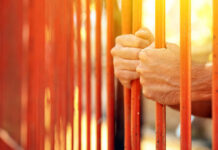


Trump’s DHS Secretary Kristi Noem openly admits the administration deliberately chose America’s most notorious prison to house immigration detainees.
Story Highlights
- DHS Secretary Noem confirms Angola Prison was chosen specifically for its intimidating reputation to deter illegal immigration
- Camp 57 facility at Louisiana State Penitentiary already holds 51 criminal alien detainees as of September 2025
- Trump administration delivers on tough immigration promises with federal-state partnership targeting “worst of the worst”
- Strategic deterrence approach aims to encourage self-deportation through fear of harsh prison conditions
Trump Administration Uses Prison’s Notorious Reputation as Immigration Deterrent
Secretary Kristi Noem made headlines Wednesday by confirming federal authorities deliberately selected Angola Prison for housing immigration detainees because of its fearsome reputation. Speaking at the Louisiana State Penitentiary, Noem stated the choice was “absolutely” intentional, designed to send a clear message to those considering illegal entry. The facility, dubbed “Camp 57,” represents a bold escalation in the Trump administration’s immigration enforcement strategy, transforming one of America’s most notorious maximum-security prisons into a federal immigration detention center.
An inside look at the Angola Prison now turned into an ICE detention facility. There will be up to 400 beds here. pic.twitter.com/KW40axYYKg
— Brooke Taylor (@Brooketaylortv) September 3, 2025
Angola Prison Becomes Federal Immigration Enforcement Hub
The Louisiana State Penitentiary, historically known for violence and harsh conditions stemming from its origins as a slave plantation, now houses 51 immigration detainees convicted of serious crimes. Governor Jeff Landry emphasized the facility targets “the worst of the worst” criminal aliens, while Noem warned potential offenders they would “end up here” if they victimize Americans. This federal-state partnership leverages Angola’s maximum-security infrastructure and remote location, making legal representation difficult while maximizing the psychological impact on detained individuals.
Watch: Kristi Noem says notorious prison chosen to hold detainees to encourage self-deportation
Strategic Timing Follows Trump’s Legislative Victory
Camp 57’s opening follows President Trump’s July 4th signing of the One Big Beautiful Bill Act, which provided crucial funding for expanded immigration detention facilities. The timing demonstrates the administration’s commitment to delivering on campaign promises of strict immigration control and mass deportation policies. Unlike the troubled South Florida facility that faced judicial shutdown, the Angola partnership benefits from strong state government support and established prison infrastructure, positioning it as a sustainable long-term enforcement tool.
Federal-State Cooperation Models Future Enforcement Strategy
Attorney General Pam Bondi publicly endorsed the Louisiana partnership as a template for nationwide immigration enforcement expansion. The collaboration allows federal authorities to leverage existing state prison capacity while providing economic benefits to rural Louisiana communities through federal funding and job creation. This approach circumvents traditional detention facility limitations and legal challenges by utilizing established maximum-security infrastructure already designed for housing dangerous criminals.
The Angola initiative represents a significant shift toward psychological deterrence in immigration policy, deliberately exploiting the prison’s intimidating reputation to discourage illegal border crossings and encourage voluntary departure. This strategic approach aligns with conservative principles of using existing government resources efficiently while sending an unmistakable message about America’s commitment to enforcing immigration law and protecting citizen safety from criminal aliens.
Sources:
Federal authorities purposefully chose a notorious Louisiana prison to hold immigration detainees
DHS opens new immigration detention facility inside Louisiana State Penitentiary