
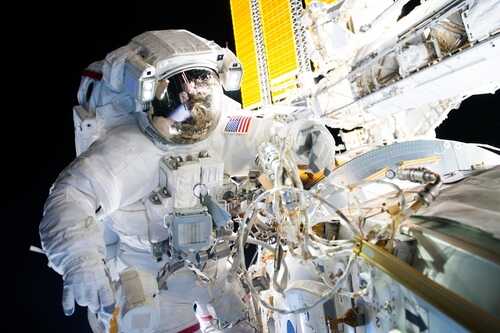
Boeing’s latest failure with the Starliner has left a NASA astronaut stranded for nine months, highlighting critical issues in U.S. space collaboration.
Story Snapshot
- NASA astronaut Sunita Williams retires after a nine-month stranding in space.
- Boeing’s Starliner faced technical failures, shifting reliance to SpaceX.
- Williams’ career achievements include the second most days in space for a NASA astronaut.
- The incident raises concerns about U.S. space program redundancies and Boeing’s future missions.
Williams’ Unplanned Extended Mission
NASA astronaut Sunita “Suni” Williams, a veteran of space exploration with 608 cumulative days in space, retired on December 27, 2025. Her retirement comes after an unexpected nine-month stay aboard the International Space Station (ISS) due to technical failures in Boeing’s Starliner capsule. Originally planned as an eight-day mission, issues with Starliner’s thrusters extended her stay, forcing NASA to rely on SpaceX’s Crew Dragon for her safe return.
The Starliner, developed under NASA’s Commercial Crew Program to provide reliable transport to the ISS, faced significant setbacks. The spacecraft’s propulsion and thruster issues were deemed unsafe for a return journey, prompting NASA to prioritize astronaut safety and arrange an alternative return via SpaceX’s Crew Dragon. This incident marks a pivotal moment in the ongoing competition between Boeing and SpaceX for NASA contracts, highlighting the latter’s reliability.
Impact on Boeing and NASA’s Future Plans
The Starliner’s delayed missions and technical failures have raised substantial concerns regarding Boeing’s role in future NASA missions. With no new crewed flights scheduled, Boeing plans to conduct an uncrewed cargo flight later in 2026 to address the unresolved technical issues. The incident has strengthened SpaceX’s position as a trusted provider, reinforcing its dominance in NASA’s commercial crew rotation missions.
Williams’ mission, the longest single U.S. spaceflight for her, underscores the importance of reliable aerospace technology. Her ordeal also brings to light the potential repercussions for Boeing, including contract penalties and questions about crew redundancy in the U.S. space program. The situation calls for a reevaluation of NASA’s reliance on private aerospace companies and the importance of ensuring multiple redundant options for crew transport.
Williams’ Legacy and NASA’s Path Forward
Sunita Williams’ retirement is a significant milestone in a storied career marked by numerous achievements, including a women’s record for spacewalk hours. NASA Administrator Jared Isaacman praised her as a “trailblazer” who shaped the future of space exploration. Despite the challenges faced during her final mission, Williams’ dedication and resilience remain an inspiration for aspiring astronauts and the broader scientific community.
Watch:
As NASA moves forward, the agency must address the challenges posed by Boeing’s setbacks while continuing to foster innovation and competition within the commercial space sector. The future of U.S. space exploration depends on the successful integration of private industry advancements with NASA’s enduring mission to explore the cosmos safely and effectively.
Sources:
NASA astronaut was stuck at space station months retires year returning
Sunita Williams retires after extended space mission
NASA astronaut retirement highlights Boeing’s Starliner challenges
Sunita Williams retires from NASA after historic career