

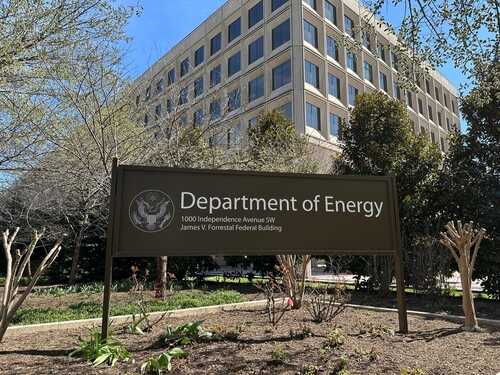
America is breaking open its Cold War vaults, offering weapons-grade plutonium not for bombs, but to revolutionize nuclear energy.
Story Snapshot
- The US is supplying up to 19 metric tonnes of decommissioned weapons-grade plutonium to nuclear energy companies.
- The initiative aims to disrupt Russia’s dominance in the global uranium supply chain following a US ban on Russian imports.
- Startups Oklo and Newcleo are spearheading advanced reactor projects with major investment and regulatory backing.
- The move revives a controversial strategy previously abandoned due to cost and safety concerns, reigniting debate over proliferation risks.
Washington Turns Arsenal into Asset in the Race for Nuclear Independence
Washington’s latest maneuver in the global energy chess game: unlocking its secretive plutonium reserves for civilian nuclear innovators. The Department of Energy’s October 2025 announcement marks the first time since the Cold War that such potent material will flow to commercial hands. The stakes are high. America’s nuclear reactors have long depended on Russian uranium—a dependence now rendered untenable by a sweeping 2024 import ban. Suddenly, the US is racing not just to keep the lights on, but to defend its energy sovereignty. Industry upstarts like Oklo and French-backed Newcleo are lining up, enticed by the promise of rare fuel and a historic first-mover advantage.
Watch: USA offers nuke energy companies access to weapons-grade plutonium – YouTube
Decades of Stalemate Give Way to Urgency
For decades, attempts to convert weapons-grade plutonium into fuel for power plants have been stymied by spiraling costs and daunting technical barriers. The 2018 collapse of the US MOX (mixed oxide) fuel program left hundreds of tons of plutonium in limbo. The result: a stockpile too dangerous to ignore, yet too expensive to repurpose. All that changed when Russia’s invasion of Ukraine forced US policymakers to confront the fragility of their own fuel supply. The US produces less than one ton of uranium annually, rendering its nuclear sector uniquely vulnerable. Now, with advanced reactors promising to burn plutonium-based fuels cleaner and more efficiently, the risk calculus has shifted.
Oklo and Newcleo see opportunity in adversity. Supported by $2 billion in new investment and a partnership designed to leapfrog traditional barriers, they are betting that new technology—and fast-tracked regulatory approvals—can finally crack the plutonium puzzle. The Department of Energy, for its part, is promising to expedite the Nuclear Regulatory Commission’s safety reviews for selected applicants, a tacit admission that time is as precious as the fuel itself.
USA offers nuke energy companies access to weapons-grade plutonium#PlutoniumFuel #DOE #AdvancedNuclear pic.twitter.com/Y8AdEJqBwn
— B.C. Begley (@BC_News1) October 23, 2025
The Road Ahead: Promise and Peril in Plutonium’s Second Act
The next six months will test whether America’s plutonium experiment is a masterstroke or a minefield. Applications are open, regulatory hurdles loom, and the world is watching. The US nuclear agency’s staff furloughs—triggered by a government shutdown—threaten to stall momentum just as it is most needed. Still, Oklo and Newcleo remain undeterred, forging ahead with infrastructure plans and fueling a debate that is as much about values as it is about volts.
America’s plutonium handoff is more than policy; it is a test of national will. Will the US prove that it can safely transform weapons of war into engines of prosperity, or will old fears and new risks snuff out a second nuclear renaissance? The answer will shape not only the nation’s energy future, but the balance of power for decades to come.
Sources: