A potential rollback of export controls by President Trump could redefine the U.S.-China tech landscape, stirring national security concerns.
Story Snapshot
- Trump proposes easing restrictions on Nvidia’s H200 chip sales to China.
- This move contrasts sharply with Biden’s stringent export controls.
- Nvidia could regain a significant market in China, boosting revenue.
- National security experts warn of risks to U.S. interests.
Trump’s Proposal to Ease Chip Export Controls
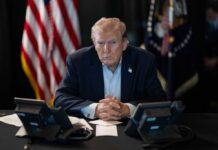
President Donald Trump has announced his intention to allow Nvidia to sell its advanced H200 AI chips to China, a move that contrasts with the Biden administration’s stringent export controls. The proposal aims to ease restrictions set during Biden’s term, which had tightened the export of high-end AI chips to China to safeguard U.S. national security interests. Trump’s stance indicates a strategic shift towards promoting commercial freedom for U.S. chipmakers.
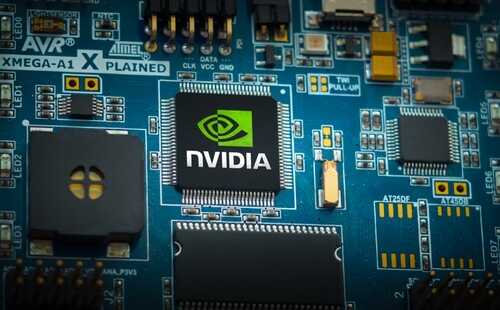
The H200 chip, crucial for AI development, is a key element in the tech rivalry between the U.S. and China. Under Biden, restrictions were implemented to prevent China’s access to advanced technology, aiming to maintain U.S. supremacy in AI capabilities. Trump’s proposal could potentially open up a lucrative market for Nvidia, which has faced financial constraints due to these controls.
Watch:
Economic and Security Implications
Nvidia, a leading player in the AI accelerator market, stands to benefit significantly if the restrictions are lifted. China’s tech firms, which have historically relied on Nvidia’s chips, could resume their purchases, giving Nvidia a boost in revenue. However, such a move raises concerns among national security experts who caution that easing export controls could accelerate China’s AI development, potentially undermining U.S. military and intelligence advantages.
The debate over national security versus economic gain is at the core of this policy shift. While Nvidia could see immediate financial benefits, the long-term implications for U.S. national security remain a contentious issue. Critics argue that relaxing these controls could undermine efforts to slow China’s military advancements in AI.
Potential Political Repercussions
If enacted, Trump’s policy change could have political ramifications, both domestically and internationally. Allies who have aligned their export controls with the U.S. might find themselves caught in a strategic dilemma, potentially leading to strained relations. Additionally, the move could become a partisan issue, with future administrations facing pressure to either maintain or reverse such policies, impacting the stability and credibility of U.S. tech controls.
Trump says he will allow Nvidia to sell H200 chips to China https://t.co/N9yUGgcHSa
— News Span Media (@newsspanmedia) December 9, 2025
As the debate continues, the implications of Trump’s proposal will likely be a significant topic of discussion among policymakers, industry leaders, and national security experts. The outcome could reshape not only the U.S.-China tech dynamics but also the broader geopolitical landscape.
Sources:
Trump greenlights Nvidia AI chip exports to China, touts 25% US share