
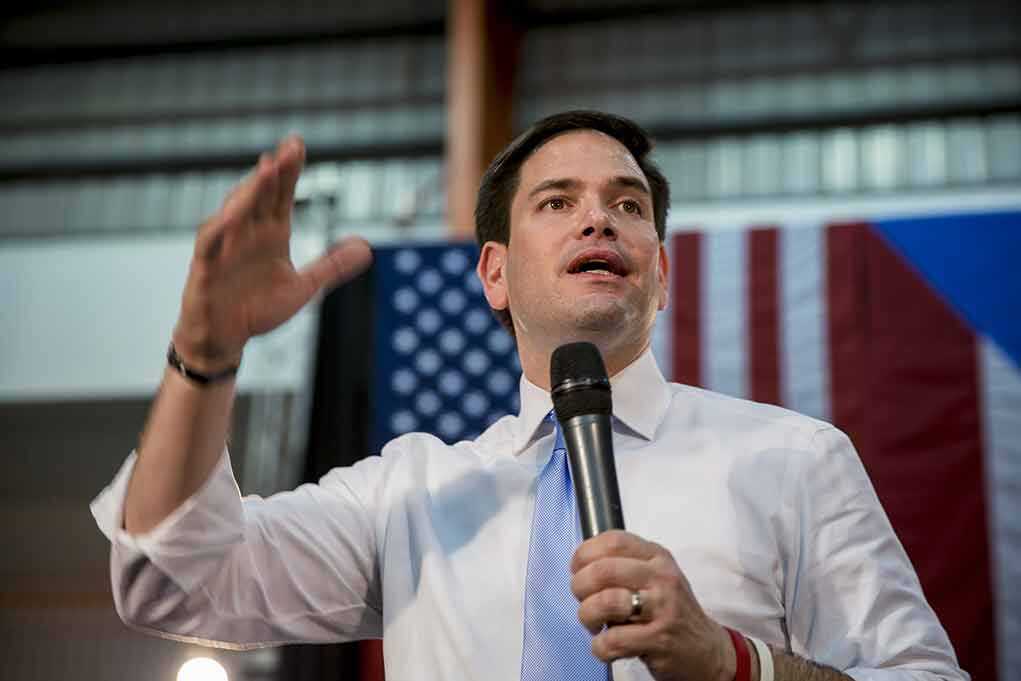
Rubio’s blanket denial of any link between nationwide outages landed without the technical proof many Americans want to see.
Story Snapshot
- Secretary of State Marco Rubio said there is “zero evidence” the recent outages are connected.
- Rubio separated Microsoft, Federal Aviation Administration, and banking issues as distinct events.
- A White House note cited intelligence chief Jay Clayton saying it was not a cyberattack or state action.
- Tucker Carlson pressed for answers, arguing the clustering still raises national risk questions.
What Rubio Said And Why It Matters
Secretary of State Marco Rubio told reporters in Manila on November 18 that there is “zero evidence” the recent service disruptions are linked, nefarious, or part of a systemic attack. Rubio said the Microsoft issue was separate from the Federal Aviation Administration problems, and both were different from the banking disruptions. He stressed each incident had its own cause, and that they were unrelated. His comments aimed to calm fears after several days of public concern and media coverage.
A White House note cited Director of National Intelligence Jay Clayton as saying the events were not a cyberattack or a coordinated action by a foreign state. That message backed Rubio’s claim that there was no master plan behind the outages. The administration’s line focused on evidence at hand, not on speculation. Officials framed the events as isolated technical failures that happened close together in time, rather than parts of one campaign.
The Evidence Gap And Calls For Transparency
Rubio asserted that “all the evidence indicates” separation, but his public remarks did not identify any specific forensic reports, indicators of compromise, or final agency findings to back that claim. That gap fuels public demand for more detail, especially after banks, airlines, and cloud services disrupted daily life. Lawmakers and citizens want to see root-cause reports, not just conclusions. Without documents, many will ask if reviews are complete, independent, and tested against shared vendors or software links.
Conservatives value clear accountability and limited government, which includes straight answers when systems fail. Publishing incident timelines and technical findings from the Federal Aviation Administration, Microsoft, and financial regulators would build trust. Americans remember the 2024 CrowdStrike update that crashed systems worldwide without any hackers involved. That event showed a single vendor error can ripple across sectors, even in the absence of a hostile actor. Transparency now would prevent rumor from filling the void.
Tucker Carlson’s Pushback And The Risk Narrative
Tucker Carlson’s program highlighted the unusual clustering of outages and raised questions about broader threats to infrastructure. Carlson and guest Joe Kent said the depth and scope made it hard to dismiss a link, while also conceding they did not have proof the events were connected. Their argument was about risk and readiness, not a final attribution. They pressed officials to explain why the government was so sure so fast, and to show the work behind those claims.
That challenge resonates with readers who worry about fragile networks, supply-chain choke points, and foreign adversaries. The White House cited intelligence and said there was no coordinated attack. Still, without public technical records, critics can portray the message as “trust us.” The better answer is sunlight: release declassified assessments, name the investigative teams, and show how logs and forensic checks ruled out shared code, common vendors, or the same attack tools.
What Patriots Should Watch Next
Americans should press for precise, practical steps. First, demand incident-specific root-cause reports and timelines from each operator. Second, ask for an unclassified summary from intelligence agencies that explains why they ruled out a state actor. Third, run a cross-incident review for hidden ties, like shared cloud platforms, identity systems, or telecom backbones. These moves respect limited government, boost resilience, and keep critical services—travel, banking, and communications—safe from both failure and attack.
Bottom Line For Families And Small Businesses
Rubio’s statement calms fears in the short term, but families and business owners deserve receipts. The administration says the outages were unrelated and not a cyberattack. Tucker Carlson says the pattern still demands proof and preparation, while admitting the cause is not yet known. The path forward is honest disclosure and stronger infrastructure. That means less spin, more facts, and practical fixes that harden systems without bloated programs or new red tape.
Sources:
afp.com, state.gov, jen.jiji.com, the-independent.com