

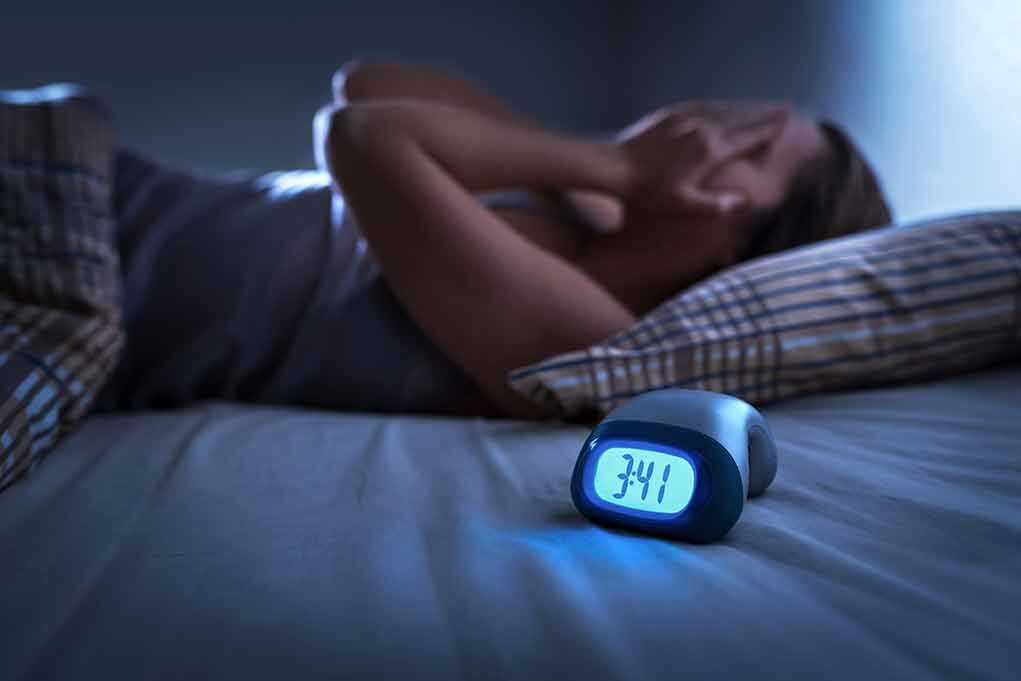
Irregular bedtimes and shifting sleep length from night to night are linked to higher risks of heart attack, stroke, and heart failure, according to new American Heart Association findings.
Story Highlights
- Large analysis ties inconsistent sleep to higher risk of major heart events.
- Sleep regularity joins sleep duration as a key heart health factor.
- Prior research shows both short and long sleep link to worse outcomes.
- Simple, steady bedtime habits may help protect older Americans’ hearts.
New Data Links Night-to-Night Sleep Swings to Cardiovascular Risk
American Heart Association researchers reported that people with more variable bedtimes and sleep length faced higher rates of heart attack, stroke, heart failure, and other events. The team analyzed more than one million nights of sleep from 10,362 adults in the National Institutes of Health All of Us Research Program. The study found that inconsistent sleep patterns, not only total hours, tracked with risk. The findings were presented through the association’s newsroom release in 2026.
The researchers focused on how much a person’s bedtime and sleep duration changed from night to night. Greater swings tied to higher risk, even when average sleep time looked normal. That suggests the body’s clock and routine matter. The analysis used wearable data to capture real-world sleep behavior at scale. While the study is observational and cannot prove cause, it aligns with a growing body of heart and sleep research.
Sleep Regularity Emerges as a Heart Health Pillar
Scientists now view sleep as more than just “how many hours.” Sleep timing, quality, and regularity all shape heart health. An American Heart Association scientific statement describes sleep as a “multidimensional” factor. It notes that irregular sleep duration and timing associate with higher cardiovascular risk, even after accounting for how long people sleep. Regular routines may support blood pressure, metabolism, and vessel health over time.
Reviews of earlier studies show a consistent message. A 2024 review in a major medical journal found that low sleep regularity was tied to worse heart health and higher risk of death from any cause. Across dozens of cohorts, people with steadier schedules tended to have better outcomes. The pattern does not prove direct cause, but it adds weight to the new analysis and points to a practical lever people can control: go to bed and get up at about the same times daily.
Duration Still Matters: The U-Shaped Risk Curve
Past research shows a U-shaped link between sleep duration and heart risk. Both short sleep and long sleep connect with worse outcomes. A large meta-analysis reported that longer sleep duration associated closely with cardiovascular disease mortality, and other studies have reported similar patterns for short sleep. The safest zone often lands around seven to nine hours for most adults, but individual needs vary with age, health, and medications.
These duration findings and the new regularity signal likely work together. Too little sleep strains the body. Too much sleep can mark underlying illness. Irregular timing can disrupt hormones, blood pressure patterns, and inflammation. Together they may set the stage for plaque build-up, heart rhythm issues, or stroke over years. That is why clinicians now ask about more than “how long did you sleep?” They also ask “when,” “how steady,” and “how well.”
What This Means for Families and Policy
Older Americans carry the highest burden of heart disease. Simple steps can help: pick a target bedtime and wake time, keep a dark and quiet room, skip late caffeine and alcohol, and limit screens before bed. People who snore, stop breathing at night, or feel very tired should talk to a doctor. Untreated sleep disorders raise blood pressure and strain the heart. Small, steady habits beat crash fixes. Routine is a low-cost tool that anyone can start tonight.
People whose bedtimes changed more from night to night showed a 23% higher risk of serious cardiovascular events in a major US study drawing on more than one million nights of recorded sleep.
Published November 2 in the @American_Heart journal Circulation: Population Health and… pic.twitter.com/Qm3crNI1WJ
— Peanut Gallery Media Network (@PGMNOfficial) November 8, 2026
Community leaders and health systems can back common-sense sleep health without new mandates. Employers can post predictable schedules. Schools and local groups can teach sleep basics along with diet and exercise. Insurers can reward healthy routines. President Trump’s administration has pressed for practical, family-first wellness steps that lower costs by preventing disease, not by growing bureaucracy. Protecting time for sleep is one of the cheapest ways to guard the heart and keep America strong.
Sources:
mirror.co.uk, newsroom.heart.org, nih.gov, knowridge.com