
Iran’s post-Khamenei purge is showing the world what panicked regimes do after a catastrophic security failure: they start executing “spies” to plug leaks and intimidate everyone else.
Story Snapshot
- Reports say Iran has intensified executions and crackdowns after Supreme Leader Ali Khamenei was killed on Feb. 28, 2026, in a joint U.S.-Israeli operation.
- One spotlight case involves a former military intelligence director sentenced to death by a Houthi-run court on accusations of spying for “hostile states.”
- Key facts remain disputed: available reporting does not clearly prove the condemned official’s role in the assassination leak—or even that he “survived” the strike tied to Khamenei’s death.
- Iran’s succession picture points toward an IRGC hardliner, signaling a likely escalation track alongside internal purges.
Khamenei’s Assassination Triggered a Fast, Brutal Counterintelligence Response
Iranian state media announced on March 1, 2026 that Supreme Leader Ali Khamenei had been killed a day earlier, along with members of his family and multiple senior military and intelligence figures. The killing is described in reporting as a joint U.S.-Israeli operation in Tehran, with cyber and intelligence coordination playing a central role. The immediate aftermath has been marked by heightened paranoia inside the regime and a push to identify who enabled such a breach.
Iran’s internal reaction has included stepped-up arrests and executions of alleged spies, including claims of individuals linked to Israel’s Mossad. Public messaging has emphasized deterrence and control—classic signs of a regime trying to reassert dominance after being humiliated at the top. While Western audiences often focus on the military strike itself, the internal crackdown matters because it shows how authoritarian systems respond when they fear they’re penetrated: they punish first and sort out facts later.
The “Executed Spy” Narrative Has Gaps That Responsible Analysts Should Flag
A widely circulated angle suggests a top military intelligence chief may have been executed after being outed as a “spy,” supposedly because he survived the blitz that killed Khamenei. The best-documented piece of this claim is that a Houthi-run court sentenced multiple people to death on charges of spying for hostile states, including a former military intelligence director. However, the available timeline creates uncertainty, because the Houthi court proceedings cited occurred in November 2025—months before Khamenei’s February 2026 assassination.
That discrepancy doesn’t rule out connections—intelligence networks can be exposed long before a strike—but it does limit what can be stated as fact. The research also notes there is no direct confirmation in the provided sources that the named former intelligence director was present at Khamenei’s location, survived the strike, or was executed specifically due to that survival. For readers who value truth over propaganda, that distinction matters: regimes often use espionage charges to settle scores, shift blame, or frighten insiders into silence.
Iran’s Likely Successor and Contingency Plans Point Toward Escalation, Not Reform
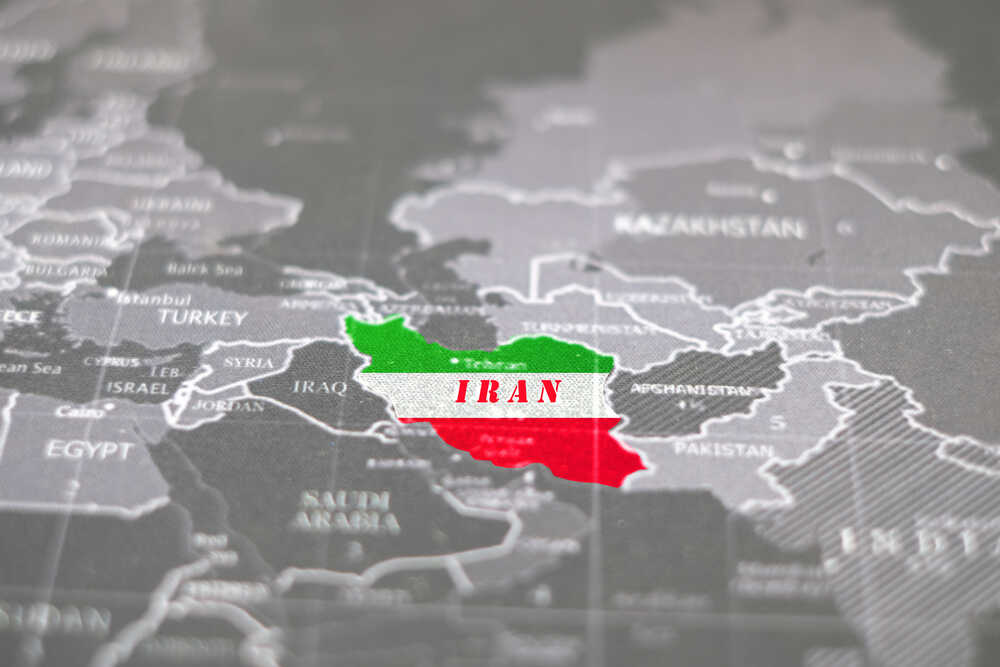
Reports cited in the research indicate U.S. intelligence assessed that an IRGC hardliner would replace Khamenei. Iran also declared an extended mourning period, while other reporting describes a preplanned strategy to sow regional chaos and disrupt energy markets after Khamenei’s death. In practical terms, internal consolidation and external retaliation can happen at the same time, and purges can be part of that consolidation by removing rivals or anyone suspected of compromised loyalty.
The strategic takeaway for Americans is straightforward: a regime that believes it has been deeply penetrated may become both more violent at home and more reckless abroad. That’s not conjecture; it is a pattern repeatedly seen in authoritarian systems under stress. The Iranian leadership’s need to project strength can mean harsh internal measures, tighter information control, and a greater willingness to lash out regionally—even while its own counterintelligence capability is being weakened by fear-driven personnel purges.
What’s Confirmed, What’s Not, and Why It Matters for U.S. Interests
Confirmed elements in the provided material include the date of Khamenei’s assassination, the public announcement of multiple high-level deaths, and subsequent reporting describing intensified Iranian crackdowns and executions of alleged spies. Less certain elements include the specific identity and role of any senior Iranian intelligence official tied directly to enabling the strike. The research itself acknowledges that the link between a particular execution and Khamenei’s death can be inferential rather than documented.
For a U.S. audience that’s watched years of elite institutions excuse corruption and weaponize “justice” for politics, Iran’s purge is a stark reminder of what unchecked state power looks like when accountability disappears. America’s constitutional system is designed to prevent exactly this kind of government-by-fear. Abroad, the best policy analysis starts with clear facts: Iran is destabilized, succession is hardening, and crackdowns are intensifying—while key details about specific “spy” executions remain incomplete.
Sources:
Collected sensitive info? Iran intensifies crackdown, carries out execution of alleged Mossad spy