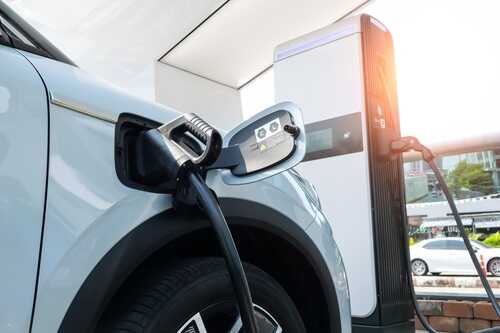
Europe’s consumers reject full electric vehicle mandates, choosing reliable hybrids over green agendas that prioritize ideology over practicality.
Story Snapshot
- Hybrid-electric vehicles claimed 34.5% of EU car sales in 2025, topping petrol at 26.6% for the first time.
- Hybrids surged 13.5% year-over-year, while battery-electric vehicles (BEVs) held just 17.4% despite 30% growth.
- Traditional petrol and diesel fell to 35.5% combined share, signaling consumer pushback against forced electrification.
- Chinese makers like BYD tripled sales, challenging European dominance with affordable hybrids.
- Tesla sales dropped 38%, exposing flaws in overreliance on full EVs amid infrastructure gaps.
Market Shift Rejects Radical Electrification
The European Automobile Manufacturers’ Association (ACEA) released 2025 data on January 27, 2026, showing hybrid-electric vehicles registered 3,733,325 units for 34.5% market share across the EU. This surpassed petrol vehicles at 26.6%. Total new registrations reached 1.88 million, up 1.8% from 2024, yet below pre-pandemic levels. Consumers favored hybrids for reliability and range, dodging the uncertainties of full battery electrics. EU sales growth in Spain (+23.1%), France (+21.6%), Germany (+8%), and Italy (+7.9%) drove the hybrid boom. This pragmatic choice undercuts aggressive green policies pushing total EV adoption.
BEVs and Plug-in Hybrids Lag Behind Consumer Demand
Battery-electric vehicles reached 17.4% share with 1,880,370 registrations, up from 13.6% in 2024. Germany led BEV growth at +43.2%, but overall adoption stalled amid charging shortages and high costs. Plug-in hybrids grew to 9.4% share with 1,015,887 units, boosted by Spain (+111.7%), Italy (+86.6%), and Germany (+62.3%). Traditional fuels dropped from 45.2% to 35.5%. Consumers prioritize hybrids’ proven technology over BEVs’ limitations, validating common-sense resistance to mandates that ignore real-world needs like long-distance travel.
Hybrid cars top choice for consumers in Europe in 2025: data https://t.co/r4FJMIF1eM
— Ldyheart01 (@Ldyheart) January 27, 2026
Chinese Competition and European Struggles
Volkswagen Group and Renault posted 5.5% sales gains, while Stellantis fell 4.7%. Chinese firms surged: BYD tripled sales, SAIC Motor’s MG rose one-third. Tesla plummeted 38%. European buyers seek cost-effective hybrids amid regulatory pressures like 2030 emissions targets and Euro 7 rules. Automakers use hybrids’ flexibility to meet penalties without massive battery investments. This pivot echoes U.S. trends under President Trump, where practical energy policies favor American innovation over globalist overreach.
Hybrid preference reflects consumer wisdom, offering lower ownership costs than BEVs while beating pure petrol emissions. EU rules compel this bridge strategy, delaying full electrification. Chinese exports of affordable plug-in hybrids like BYD’s DM-i erode traditional dominance, pressuring Europe to compete on value.
Long-Term Lessons for American Energy Independence
Projections show hybrids growing at 14.95% CAGR in Europe through 2030, driven by taxes and charges favoring efficiency. Plug-in hybrids eye 13.82% CAGR as costs align by 2027. Consumers value minimal changes and quick payback, sustaining hybrid demand. ACEA warns EV growth must accelerate for climate goals, yet data proves hybrids as the realistic path. For Americans, this validates President Trump’s focus on reliable domestic energy over forced transitions that burden families.
Sources:
ACEA: New car registrations -1.8% in 2025, battery-electric 17.4% market share
RFI: Hybrid cars top choice for consumers in Europe in 2025: data
Mordor Intelligence: Hybrid Vehicle Market
EEA: New registrations of electric vehicles
Best-Selling Cars: 2025 Europe car sales and market analysis