

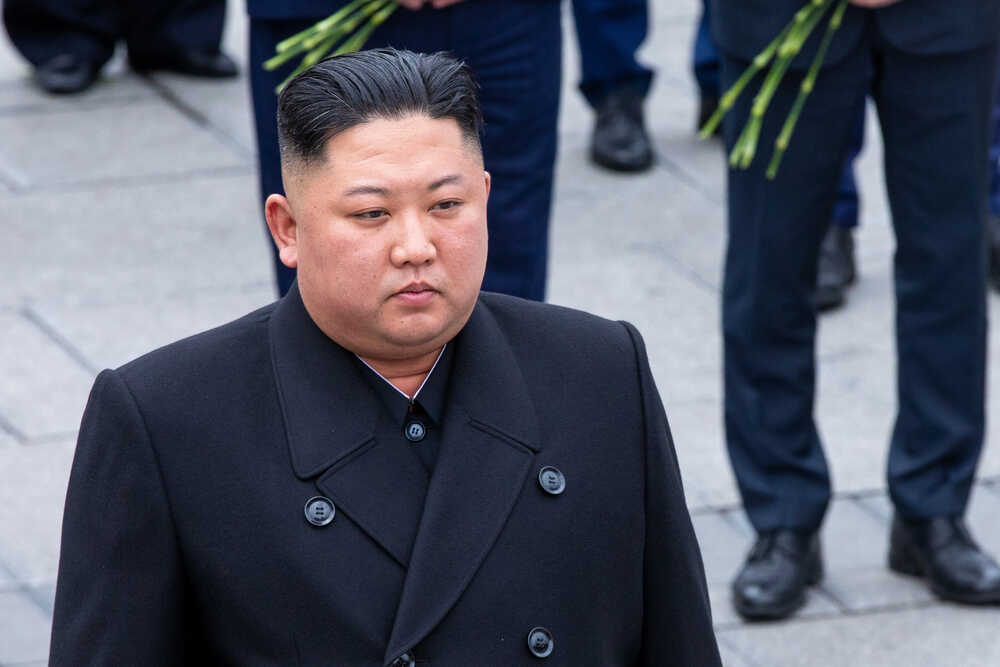
North Korea’s Kim Jong Un publicly fires a senior official, exemplifying his authoritative governance style and sending a chilling message on government performance expectations.
Story Highlights
- Kim Jong Un dismisses Vice Premier Yang Sung Ho for “incompetence” at a public event.
- The dismissal occurred at a factory opening, showcasing Kim’s leadership style.
- Kim’s leadership combines public shaming with administrative control.
- The incident underscores the centralization of power under Kim Jong Un.
Public Dismissal in North Korea
In early January 2026, North Korean leader Kim Jong Un made a bold statement by publicly dismissing Vice Premier Yang Sung Ho during a factory opening. This rare public firing aligns with Kim’s pattern of authoritative governance, where he criticized government officials for incompetence. The event was strategically chosen to send a message about the performance standards expected within the North Korean government, emphasizing Kim’s direct control over the state apparatus.
This incident is not isolated but part of a broader pattern of governance by Kim Jong Un, who utilizes public accountability measures to manage personnel. The dismissal and accompanying criticism of Yang Sung Ho by comparing him to a goat highlight Kim’s leadership style, which combines public shaming and administrative action. This approach reflects his commitment to maintaining a disciplined and loyal government, albeit at the expense of institutional stability.
Watch:
Implications for North Korean Governance
The removal of a senior Cabinet official such as Yang Sung Ho creates immediate administrative disruption, necessitating succession planning within the North Korean government. The public nature of the dismissal serves as a warning to remaining officials about the consequences of failing to meet performance expectations. This incident underscores Kim Jong Un’s willingness to act decisively against senior leadership, reinforcing a governance model based on personal loyalty and fear.
In the long term, such actions may affect the confidence and decision-making of other officials, who might now operate under the constant threat of public dismissal. The centralization of power under Kim Jong Un reflects his continued commitment to direct control, potentially impacting the broader state apparatus and administrative efficiency. The economic sectors overseen by the dismissed vice premier might also experience repercussions due to this leadership change.
Broader Context and Future Developments
Kim Jong Un’s leadership style, characterized by public displays of authority and strict personnel management, distinguishes his approach from more institutionalized governance models. The incident with Yang Sung Ho exemplifies this style, showing a preference for direct control over fostering institutional stability. As Kim continues to consolidate power, it remains to be seen how this approach will affect North Korea’s governance and its officials’ morale.
The broader implications of this event may include increased tensions within the government as officials navigate the demands of a leader who prioritizes loyalty and performance above all else. Future developments will likely continue to demonstrate Kim Jong Un’s influence over North Korean governance, with potential impacts on international relations and internal administrative efficiency.
Sources:
North Korea’s Kim sacks vice premier during speech over incompetence – News9Live
Kim Jong Un sacks vice premier, slams officials for incompetence – Hamro Patro
North Korea’s Kim sacks senior official, slams incompetence – CNA
Kim Jong Un sacks vice premier, slams officials for incompetence – Pardafas
North Korea’s Kim sacks vice premier, rails against ‘incompetence’ – Arab News