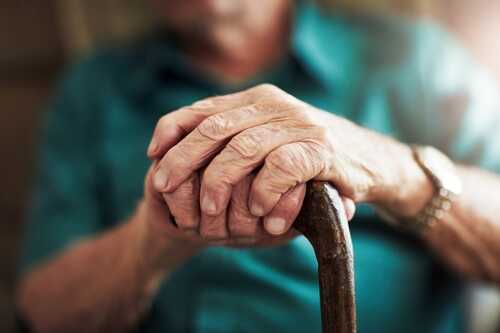
The fear of dying alone is becoming an unsettling reality for many older adults in America—one that demands attention and action.
Story Snapshot
- Over 16 million older adults in the U.S. live alone, many fearing an isolated death.
- Demographic changes and policy shifts exacerbate the risk of dying without support.
- Solo agers face unique challenges in accessing end-of-life care.
The Growing Concern of Dying Alone
The fear of dying alone, once a private concern, is now a growing reality among older adults in the United States. With over 16 million seniors living alone and more than 15 million aged 55 and above without spouses or children, the demographic landscape is shifting. The reasons are varied, including longer life expectancies, lower birth rates, and increased divorce rates, leaving many without traditional family support structures.
The COVID-19 pandemic highlighted this vulnerability, with isolation intensifying as hospitals and nursing homes restricted visits. Many older adults found themselves without the physical or emotional support needed during one of life’s most challenging transitions. As society evolves, so too does the need for systems that can support individuals facing life’s end without family close by.
An age-old fear grows more common: ‘I’m going to die alone’
More than 15 million people 55 or older don’t have a spouse or biological children; nearly 2 million have no family members at all.
Still other older adults have become isolated because of sickness, frailty or…
— Evan Kirstel #B2B #TechFluencer (@EvanKirstel) October 12, 2025
Systemic Challenges and Policy Gaps
The challenges faced by solo agers are multifaceted. Emotional distress, social isolation, and a lack of familial advocacy can contribute to poor health outcomes. The healthcare system, already stretched thin, struggles to provide adequate support to those without family to advocate for them. Planned cuts to Medicaid under recent federal legislation threaten to curtail home-based care, potentially pushing more seniors into institutionalized settings.
Programs like “No One Dies Alone” do exist in some hospitals, offering companionship to those at the end of life, but these are often not available for home-based deaths. The disparity in access to supportive services underscores the need for reforms that prioritize the well-being and dignity of all aging individuals, regardless of their family circumstances.
Watch: The Truth About Being Old and Alone
Impacts on Society and Healthcare
The implications of an increasing number of solo agers are vast. Economically, the strain on healthcare systems could intensify as delayed medical interventions lead to higher costs. Socially, communities may face the challenge of integrating more support systems for isolated individuals. Politically, the debate over elder care funding remains contentious, with advocacy groups pushing for increased resources and better policy frameworks. Going It Alone: A Conversation About Growing Old in America —
Healthcare providers and policymakers must collaborate to ensure that the needs of solo agers are met with compassion and efficiency. Community-based interventions and volunteer programs could provide much-needed companionship and support, but these require funding and organizational backing to be effective. With the right focus, it’s possible to transform the fear of dying alone into a call to action that promotes dignity and support for all.
Sources: